Belonging
The Hearth
“These are my people. I am wanted here.”
- Gives
- Warmth, rest, being carried, a shared story
- Looks like
- The table, the Sabbath, stories, songs, celebrations, worship
- Alone it becomes
- Soft. Kids love us and drift away.
The Method
Families don't become strong by meaning to. They become strong through repeated experiences, real relationships, shared responsibility and the things they choose to do together, most of them ordinary.
Building those patterns takes some thought. Smarkle offers just enough structure to help a family grow a culture that increasingly carries itself.
The tools are scaffolding. The family is the building.

The method
Vision, rhythms, issues, reflection and integration. They aren't a schedule. They're a way of paying attention that a family comes back to, season after season, until the structure is hardly needed.

Who are we becoming?
Every family is becoming something, whether it means to or not. A vision gives that becoming a direction worth pursuing.
It asks the questions that matter most. What kind of relationships do we want? What character do we hope to grow? What do we want our children to understand about work, service, generosity, forgiveness and the Savior? What do we want to pass on?
For many families, the vision starts with what they hold most sacred: a home that belongs to God before it belongs to us, where people learn to love the way Christ loves. Much of the rest is application.
You don't need a polished statement. Sometimes the first step is a better question at the dinner table. And a shared vision should give each person's own hopes room to grow. A family can share a direction without sharing identical dreams.

What should become part of ordinary life?
A vision means little if it never reaches the calendar. Rhythms are how intentions become experiences.
A meal together. Church on Sunday, side by side. Family prayer, or scripture read aloud before bed. A men's study before work, a women's gathering once a month. Working beside a parent. A standing conversation between spouses. A call to the grandparents. A Saturday morning spent helping another household.
The best rhythms are simple enough to survive a busy week. One tradition kept faithfully does more than five elaborate plans that quietly disappear. As a rhythm becomes natural, it needs less managing. Meetings can support rhythms. They should never replace them.

What's getting in the way?
Every family meets difficulty. Sometimes it's practical: a chaotic morning, a job nobody owns, a promise nobody kept. Sometimes it's between people: someone feels overlooked, misunderstood or hurt.
The pattern is simple. Talk about it. Understand what's really happening. Choose one constructive next step. Agree who will carry it. Follow through.
Most simple things get resolved in passing, without a list. Things between people are handled the way Jesus taught: go to them first, privately, hoping to win them back rather than win the argument. And when something is beyond what a family can work through alone, seeking help from a pastor or a professional is part of the method, not a failure of it.

How is everyone really doing?
A family can be busy, organized and outwardly fine while someone quietly struggles. Reflection notices what ordinary days hide.
Who needs more connection? Who needs a chance to grow? Is the work shared fairly, or is one person carrying it? Are the children gaining real independence? Are hurts being repaired? Do our traditions still mean something?
For many families it happens best in prayer, asking to see each person as God sees them. Reflection is periodic, not constant, and it never becomes a ranking of children, spouses or households. The Family Flourishing Assessment is one simple place to begin.
How does this become simply who we are?
The method is meant to make itself less necessary.
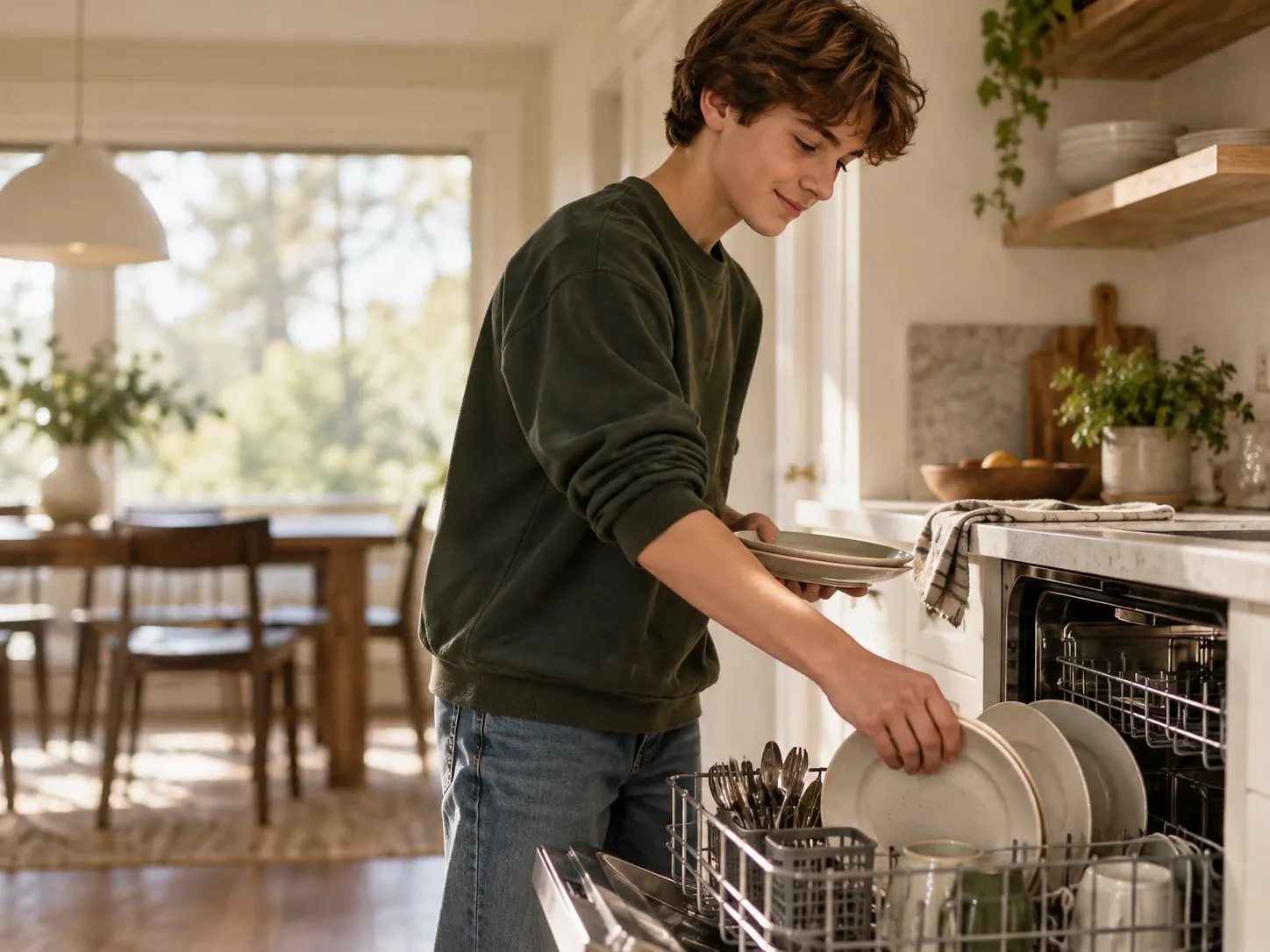
In time, the family meal happens without a reminder. Children notice what needs doing. Hard conversations get easier to start. Stories get told because someone always asks. Service becomes part of an ordinary week. People keep the traditions because the traditions are theirs.
This is what discipleship looks like in a home: not a program held up by effort, but a way of life that has become second nature. And the next generation learns to build it again, in homes of their own.
Smarkle succeeds when your family needs less Smarkle.
The big picture
Every strong family culture has both. They're the two halves of the same thing.
Belonging
“These are my people. I am wanted here.”
Formation
“I am needed. I am becoming capable. This is mine.”
A child is warmed at the hearth, shaped at the forge, and comes back to the hearth as someone who now carries others.
Iron sharpeneth iron; so a man sharpeneth the countenance of his friend.
Proverbs 27:17
Minimum effective structure
No two families need the same meeting schedule, worksheets or routines. A home with toddlers needs something different from a home full of teenagers. A single-parent household differs from a multigenerational one. A blended family, or a family living in one home or several, faces coordination problems of its own. The method bends to the family, not the other way around.

Decisions stay with the people most directly responsible for them. Everyone has a fitting voice in what affects their life. And as responsibilities become habits, the system steps back.
LightFor one family, the right amount is a single protected dinner and a monthly conversation about how everyone is doing.
FullerFor another, it's more.
Two rules over everything
Use the least formal structure that reliably produces the culture. When something runs on its own, stop managing it.
Every marriage needs protected time, for example. How often, and how long, depends on the season.
A family should never become an organization whose main activity is managing itself.
Step by step
Begin with what you need. Discover more as you grow.
You don't need to learn the whole method before you start.

Start anywhere
Add a family event.
Save a photograph that matters.
Set up one recurring rhythm.
Invite someone into a shared project.
As you go, the next useful thing appears when it's useful
A gathering you keep repeating might become a tradition.
A shared project might become a child's first real stewardship.
A conversation about the future might become the first lines of a family vision.
Each new piece should make something you already care about easier.
The simplest place to start is seeing where you are. The assessment takes a few minutes, needs no email, and ends with a seven-day practice for the dimension with the most room to grow.
Discover your family's strengthsThree ways to gather
A healthy family needs time to think together, to work shoulder to shoulder, and simply to belong. We gather in three ways, and keep one day apart. No single gathering has to do everything.

Think together
Shape the vision, make decisions, work through persistent issues and agree who is carrying what. Held for a real purpose, kept short, and only as often as it helps.
Shoulder to shoulder
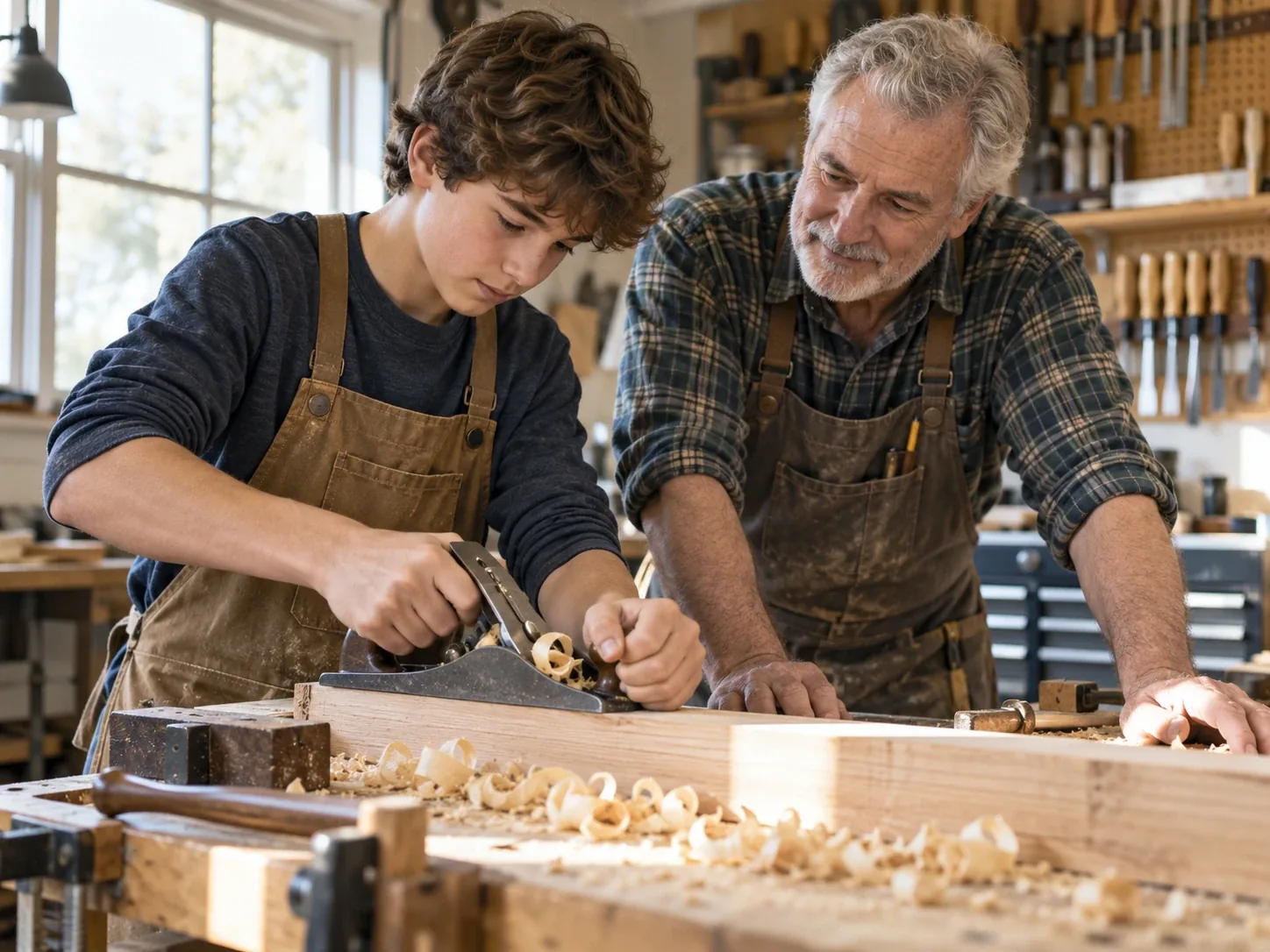
Shared work and service: the garden, the move, the meal for a neighbor, the barn raising of old. Some of the best conversations happen with busy hands. Capability and affection grow side by side.
Belong together
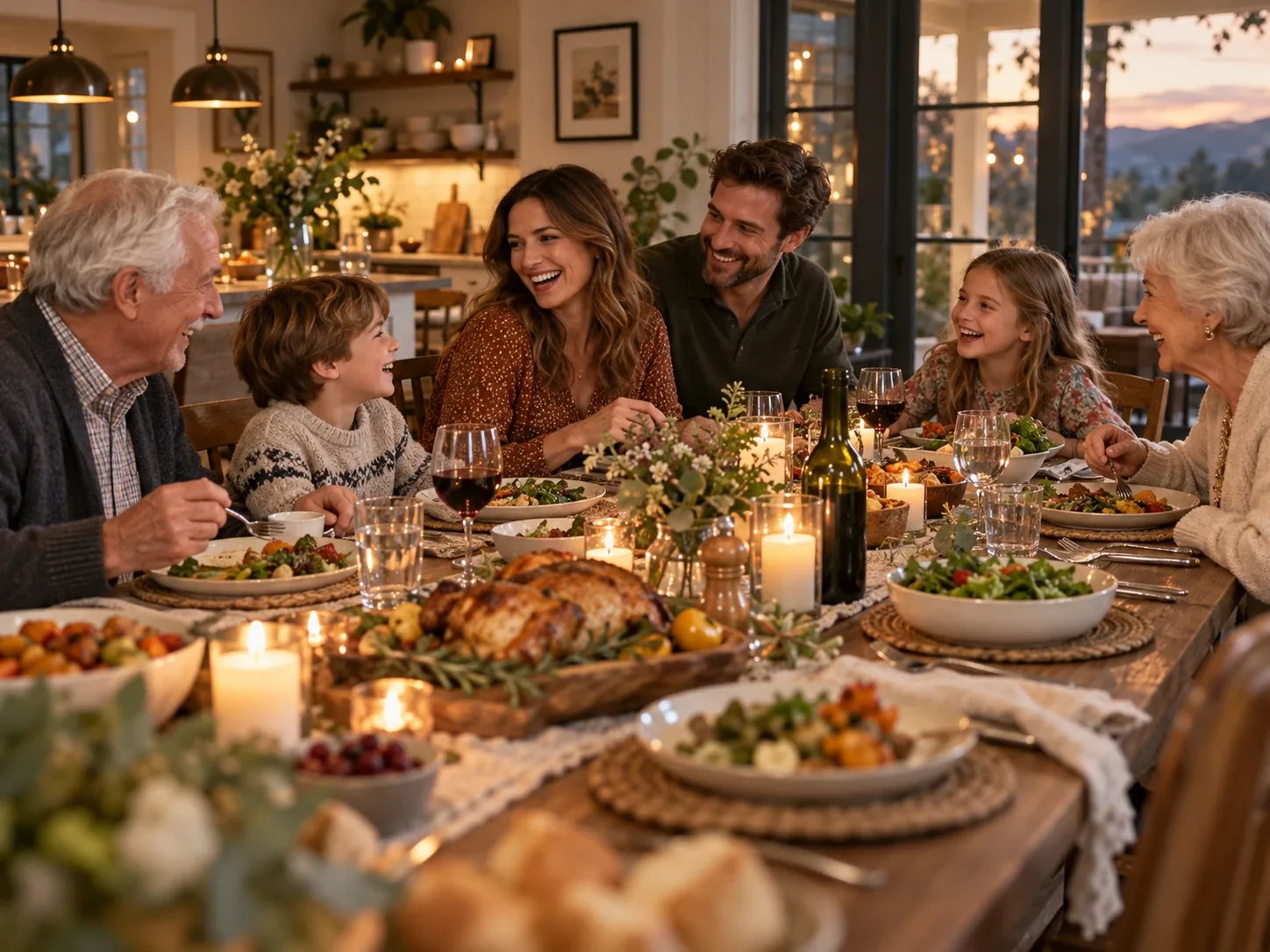
Meals, stories, music, birthdays, reunions, Christmas and Easter, and the trips everyone remembers. Time enjoyed for its own sake, which reminds everyone why the rest is worth it.

Rest together
One day a week set apart for rest, worship and family. Church together, a slower meal, a long walk, an afternoon with grandparents. Nothing to organize and nothing to fix. The Sabbath was made for us, and a family that keeps it finds the other gatherings easier to keep too.
Church side by side, and a quiet word of thanks at home.
A meal no one rushes, with room for a guest.
A long walk, or a drive with nowhere to be.
An afternoon with grandparents, in person or by phone.
No chores to chase and no inbox to clear. What matters was done the day before.
A visit, a note, a meal carried next door.
The sabbath was made for man, and not man for the sabbath.
Mark 2:27
Minimum effective structure
Formal tools earn their place only when they make ordinary life warmer and simpler. The aim is the least structure that does the job.

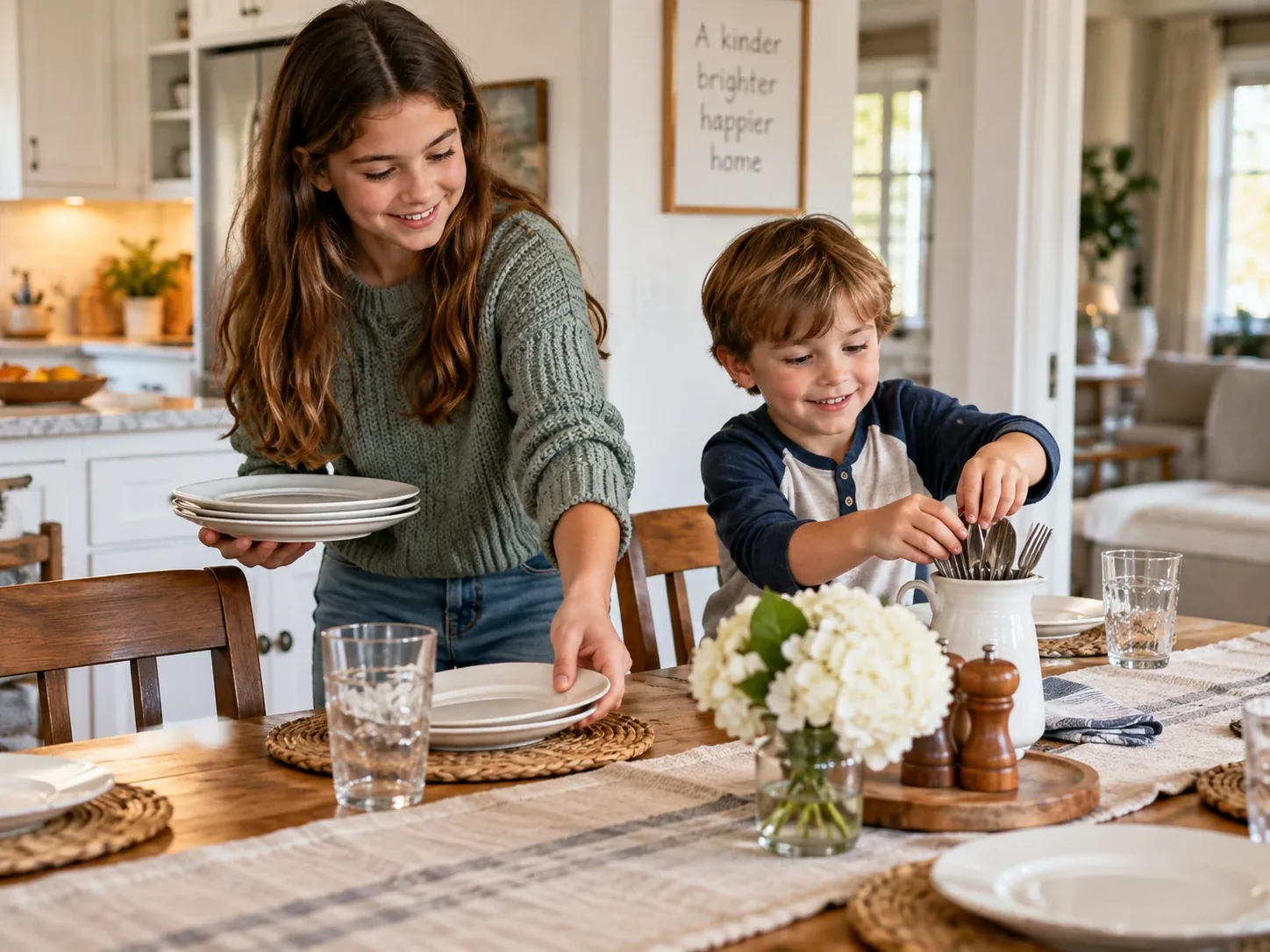
The system serves the family. The family doesn't serve the system.
The first step is seeing where you are. In a few minutes, find what's already strong, where there's room to grow, and one small practice to try this week. Your results are yours.
About 4 minutes · No email needed · Your answers stay on your device