Principles

Ten principles worth passing on

Strong family cultures are built through countless ordinary decisions. Behind them are principles we believe are as old as the gospel and as practical as a weeknight dinner.

We offer them as convictions and research-informed starting points, not guarantees or formulas. Every family lives them in its own circumstances.

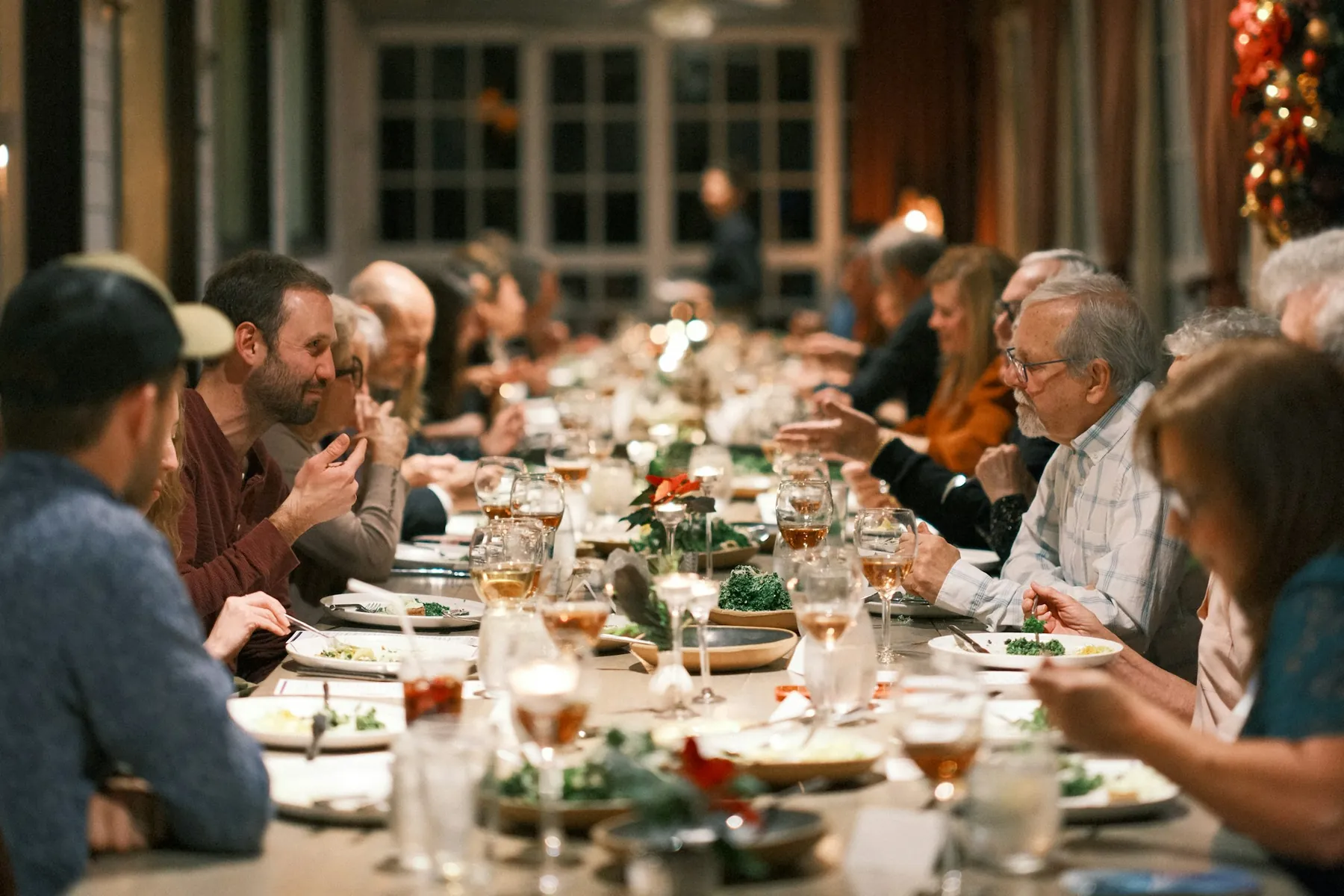
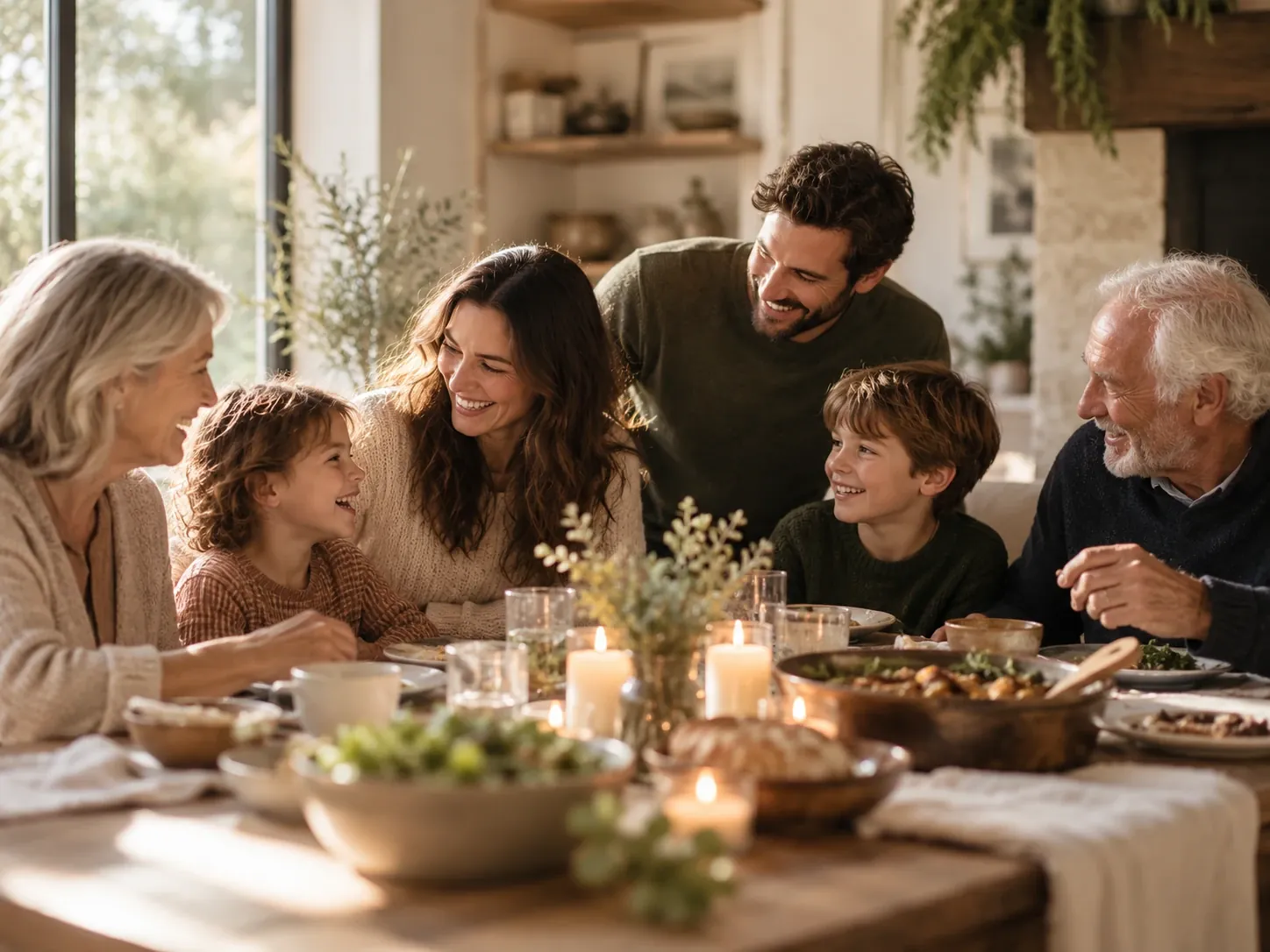
Grandparents, parents and children of three generations share a candlelit meal around a table, laughing together.
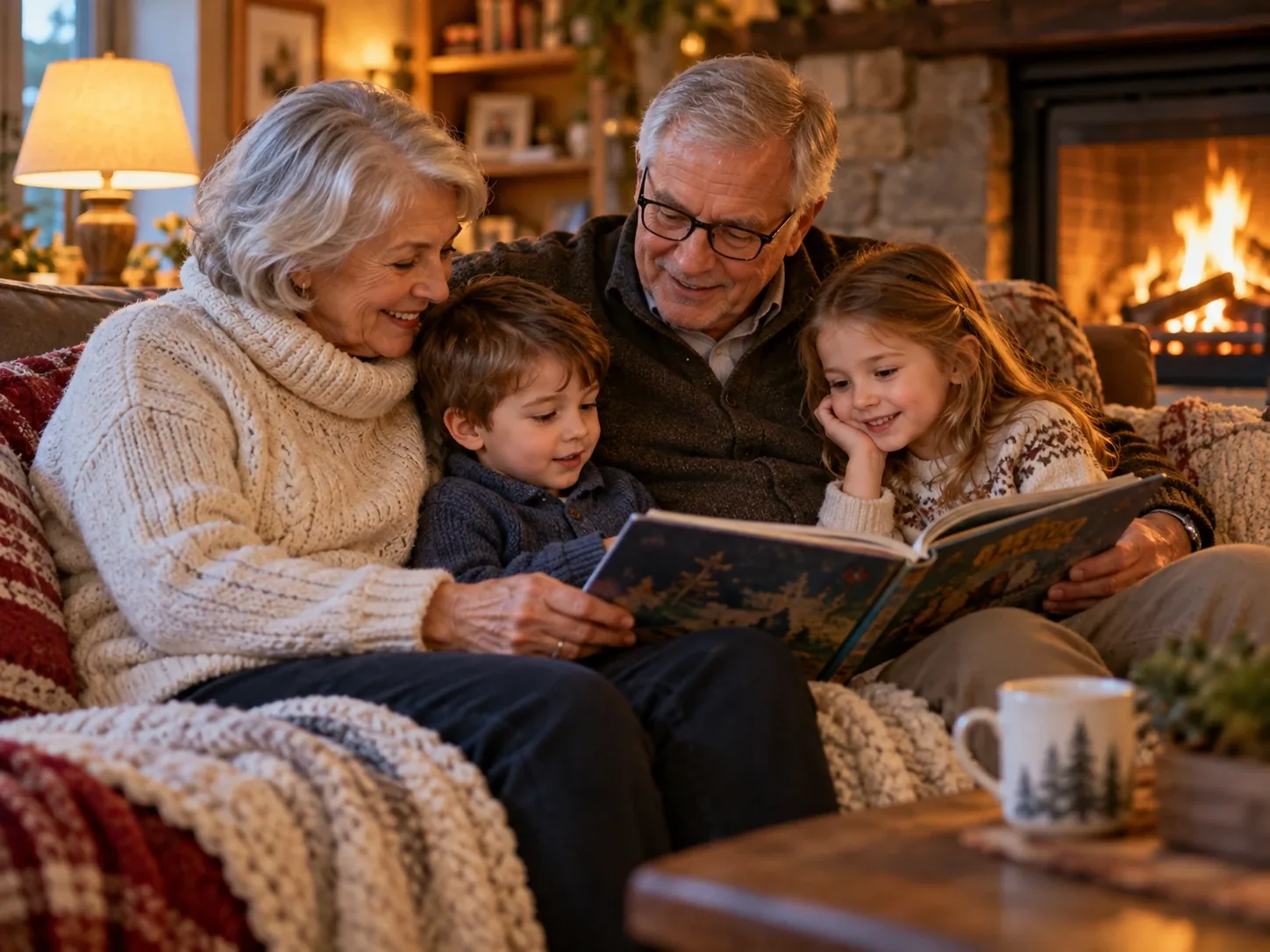
Grandparents read a picture book with two young grandchildren on a sofa beside a glowing fireplace.
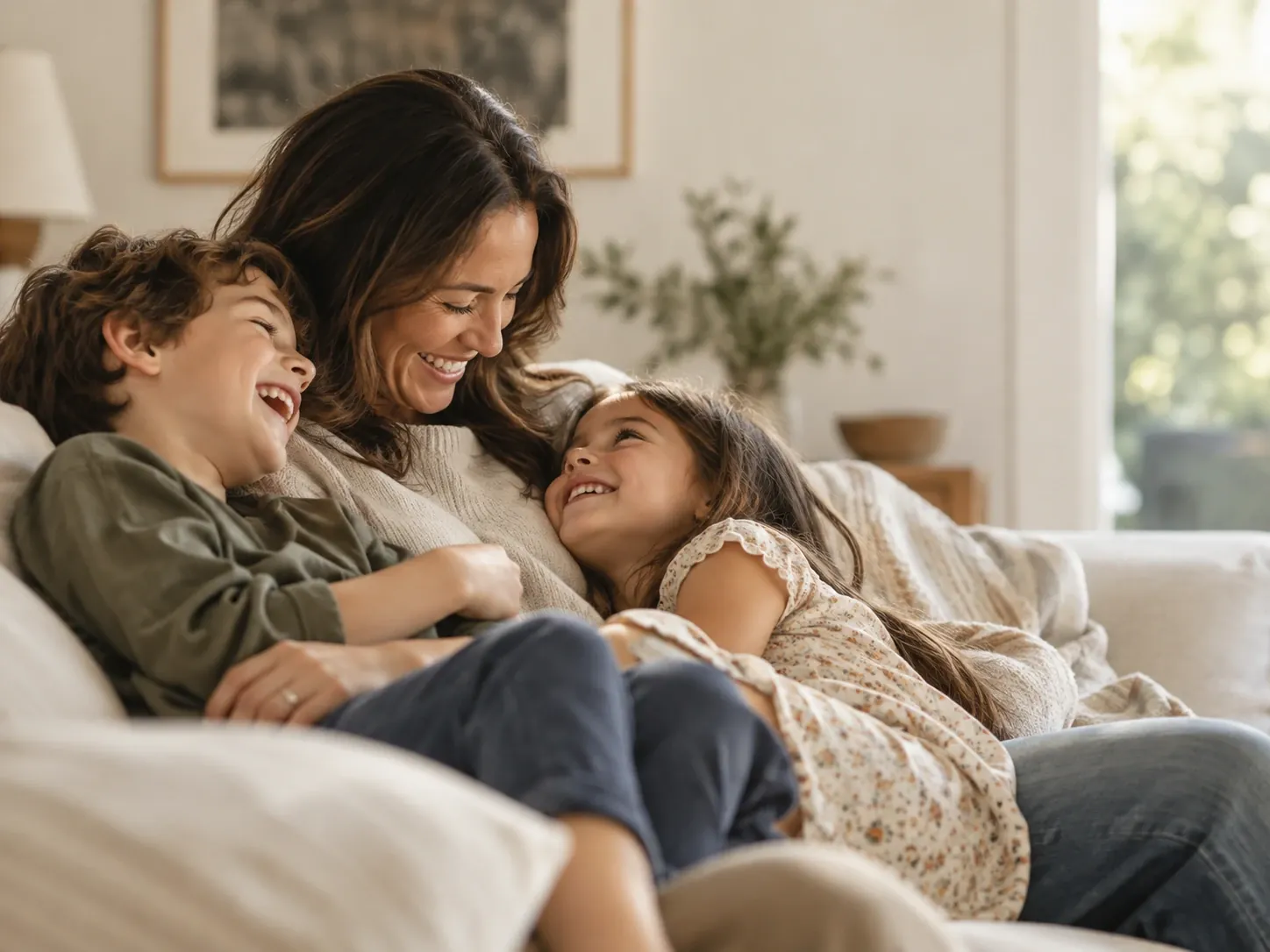
A mother lies back on a sofa laughing with a boy and a girl curled up against her.

Where it starts

Build a people, not a program: a home warm enough that everyone belongs, demanding enough that everyone is needed, and free enough that staying is a choice.

Except the Lord build the house, they labour in vain that build it.

Psalm 127:1
  • A people, not a program

    Children grow up inside a people, not a program. Faith is woven into meals, work, holidays, courtship, grandparents and weekly rest.

  • Children are needed

    Kids work beside adults on things that matter. Being useful makes them belong.

  • Warmth carries it

    A warm, present father and mother matter more than strict rules. Strong culture with a weak relationship produces rebellion or secret compliance.

Principles of Connection

Connection

Are people known, loved, secure and meaningfully connected?

A mother lies back on a sofa laughing with a boy and a girl curled up against her.

Belonging

Every person has a place, and knows they matter.

Belonging doesn't depend on good behavior, achievement, identical beliefs or usefulness. A child should know that being loved is not the same as earning approval, just as God's love is not earned. Strong families make belonging visible: in attention, in who gets included, and in how they respond when someone struggles.
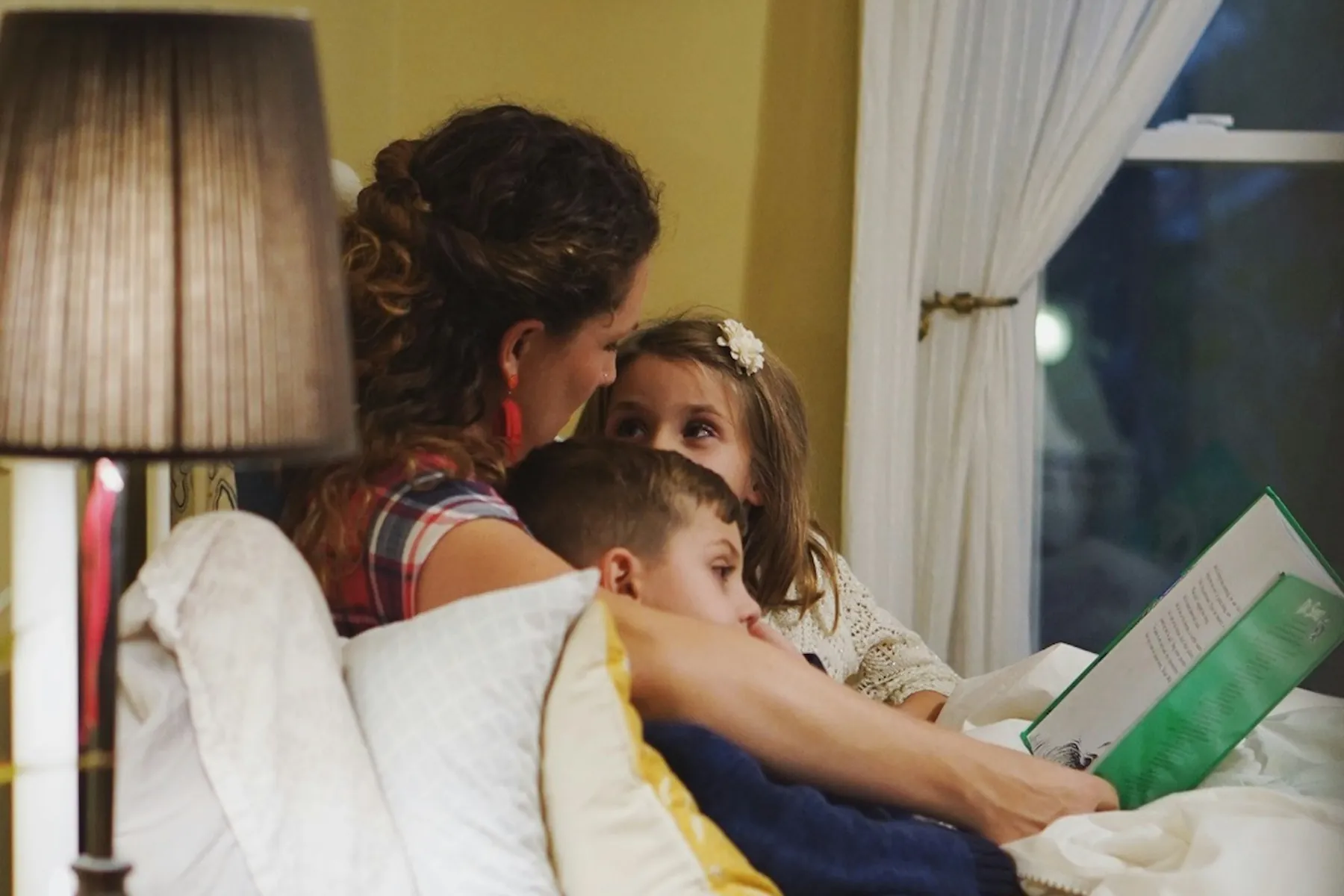

  • A mother reading a picture book in bed with her son and daughter close beside her, a lamp and a window behind them.

    Attachment

    Known, wanted, loved, and safe to tell the truth.

    People grow best from a secure base: someone who notices, responds, shows affection and stays. That isn't only for small children. Couples need more than a shared calendar. Teenagers still need closeness as they become independent. And every adult needs someone who cares about their inner life, not only the jobs they do.

  • A husband and wife sit close at a kitchen table in the evening, a notebook open between them, sharing a warm look over coffee.

    Repair

    Conflict is normal. Repair is the skill.

    Every close family has friction. What matters is coming back: speaking honestly, listening, owning your part, apologizing and rebuilding trust. Forgiveness, as Christ taught it, never means pretending harm didn't happen or giving up healthy boundaries. If anyone is unsafe, their safety comes first, and seeking outside help is a strength.

Principles of Formation

Formation

Is each person growing in capability, responsibility and care for others?

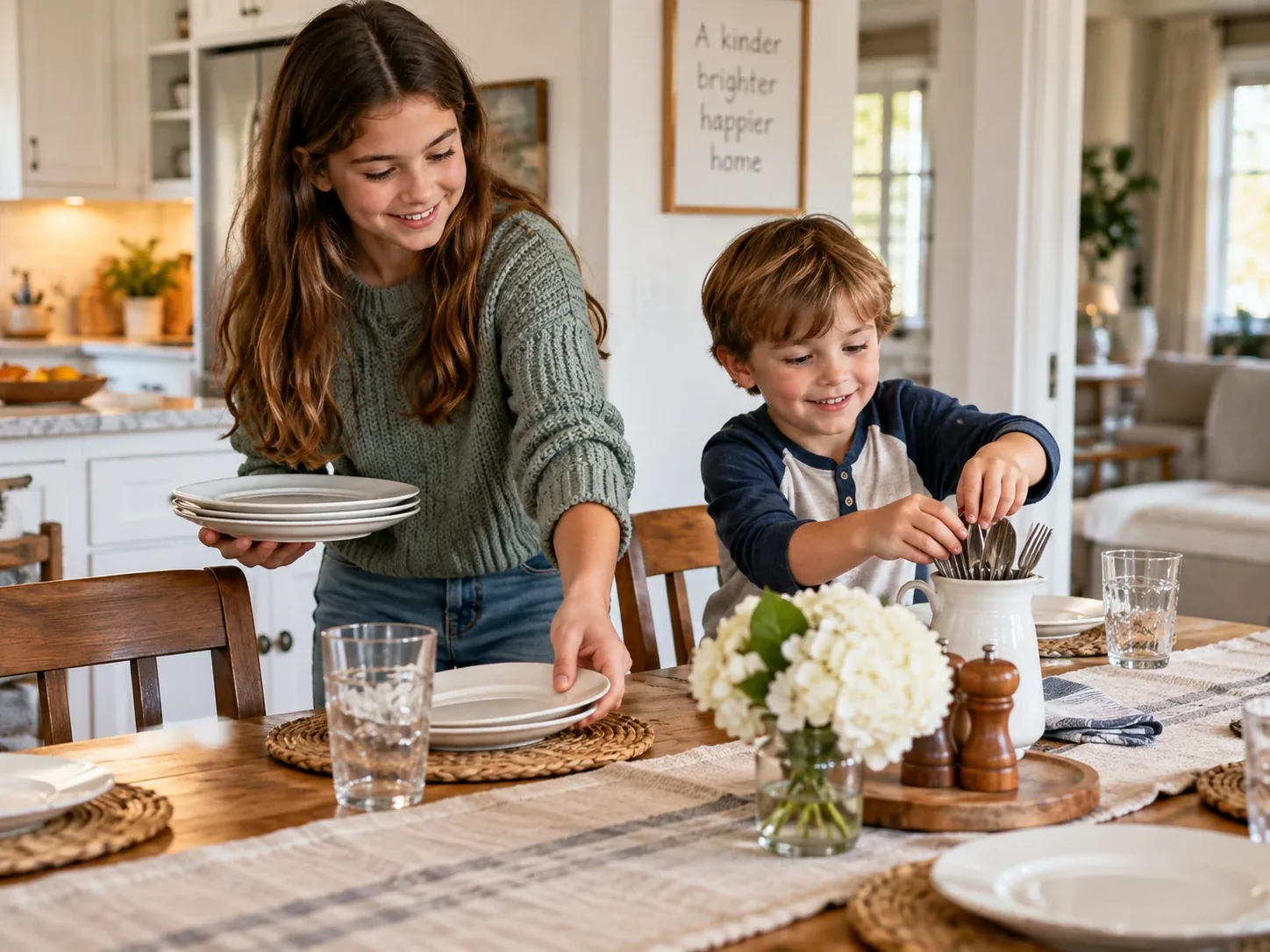
A girl lays plates and her younger brother sorts cutlery as they set a long wooden dining table together.

Contribution

We care most about what we help build.

People invest where they genuinely contribute. A child who does real work learns they have something others can depend on, and a teenager on a real project starts to find a place in adult life. The aim isn't to keep everyone busy. It's to help each person discover that what they bring matters.

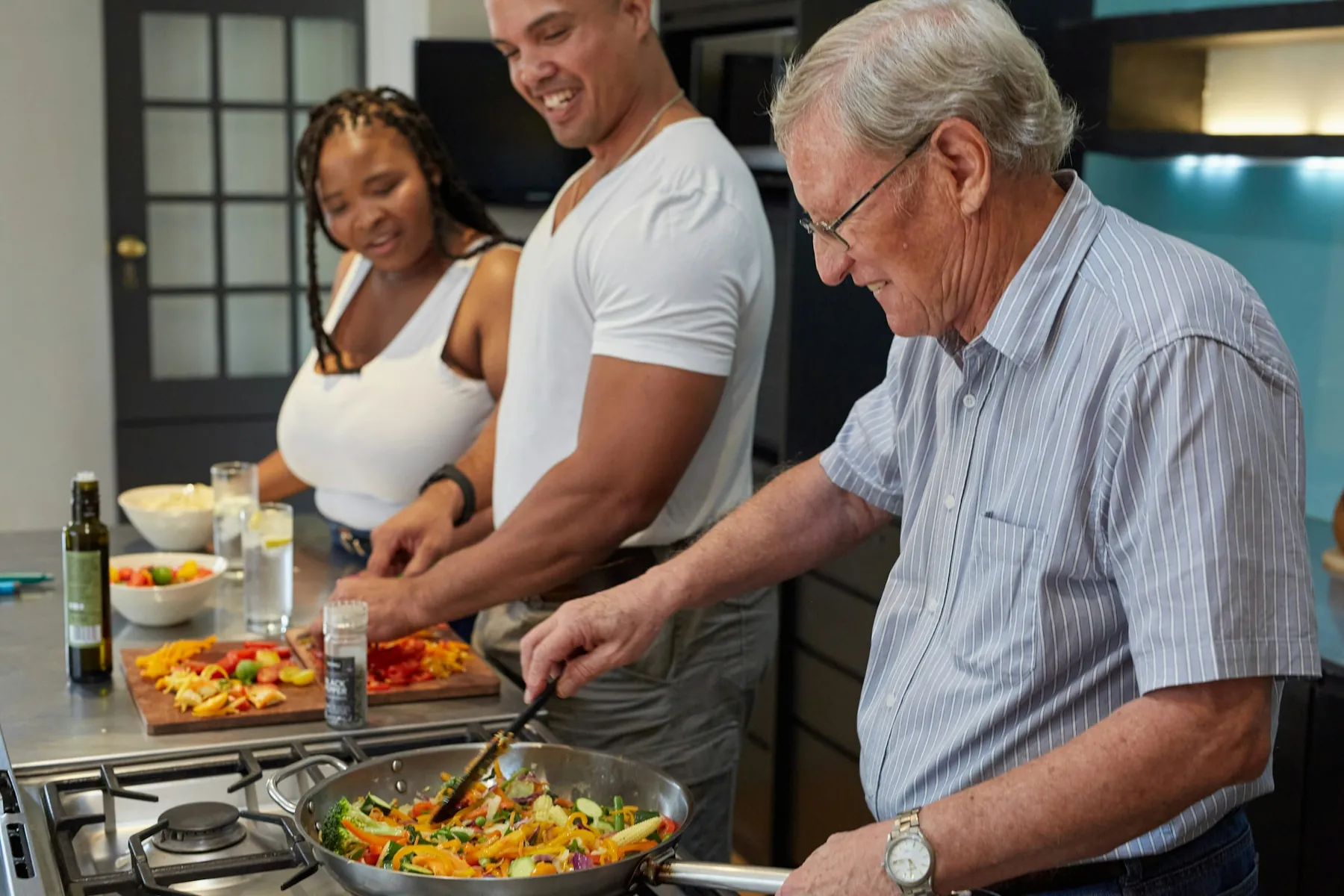
  • An older man stirring vegetables in a pan while two younger adults chop beside him, all smiling, in a home kitchen.

    Service and mutual enlargement

    We rise by raising.

    Christ measured greatness by service, and a family is where that is learned first. Parents strengthen children, children strengthen parents and siblings, and couples invest in each other's flourishing.

    But service stays mutual. No one should need to become smaller for someone else to become greater, and love is never a reason for chronic overwork, neglect or pressure. A family must be a place where people receive care as readily as they give it.

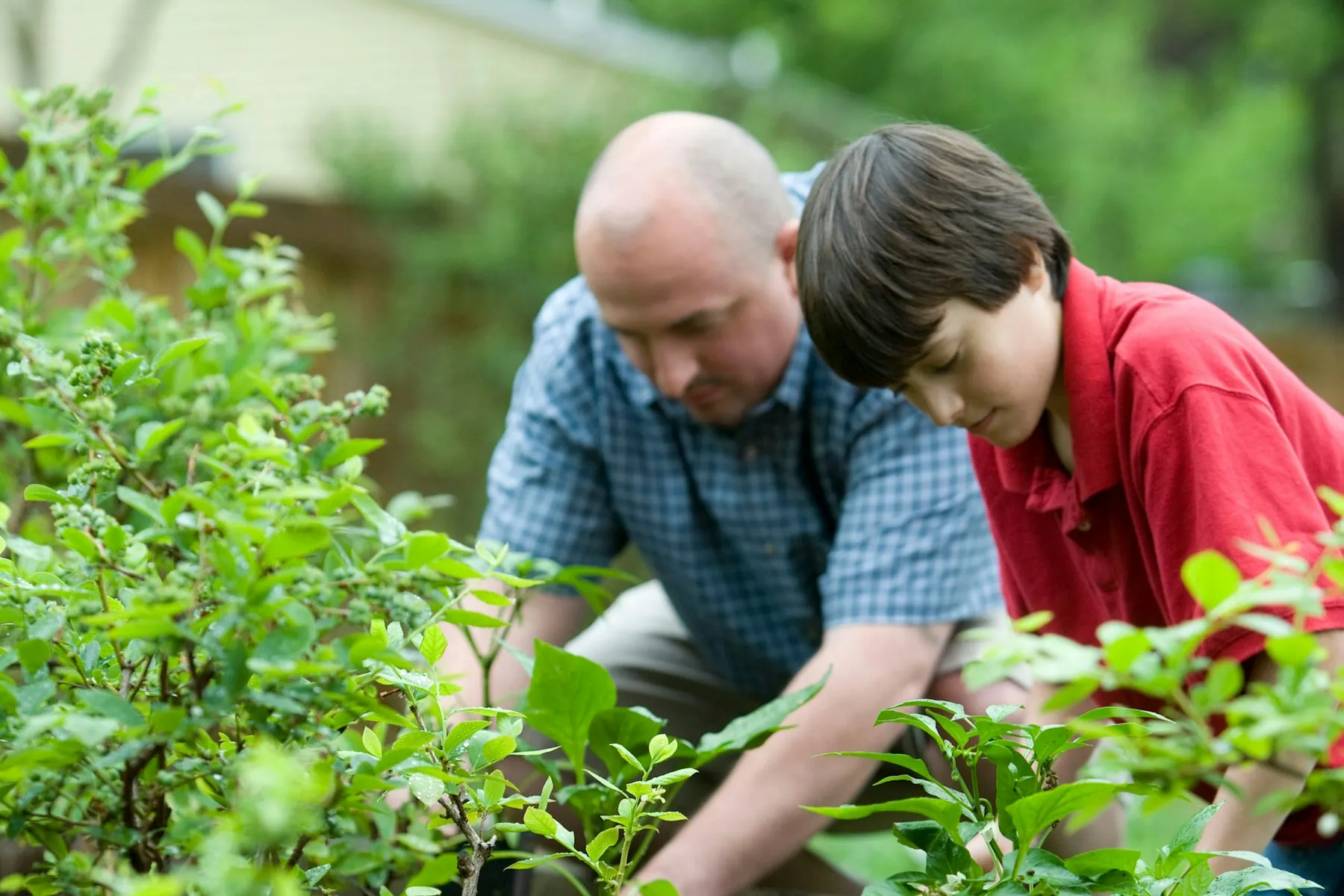
  • A father and his son kneeling side by side at a raised garden bed, setting young plants into the soil.

    Stewardship

    Each person is trusted with something that matters.

    Stewardship is more than finishing assigned tasks. It's accepting real responsibility, understanding why it matters, and learning to manage it well: a young child beside a parent, an older child on their own, a teenager planning ahead and noticing what needs attention. Everything we have is held in trust, and children learn that by being trusted. Growing up with more trust

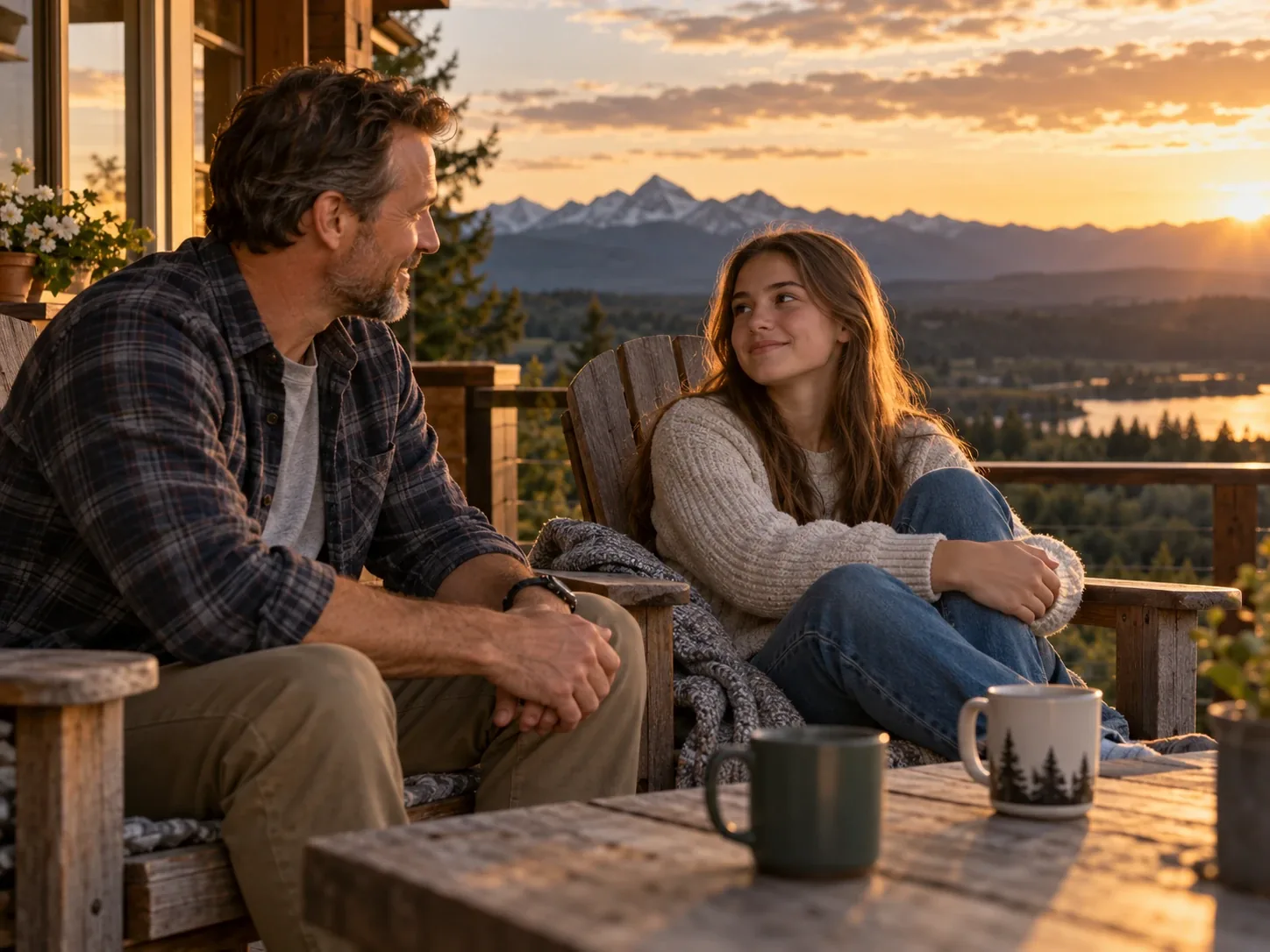
  • A father and his teenage daughter talk on a wooden porch at sunset, with mountains and a lake behind them.

    Agency and self-government

    Good leadership grows people who lead themselves.

    The aim of guidance isn't obedience for its own sake. It's people who choose what is good for themselves. Children need instruction, boundaries and real decisions that grow as they do. Adults need room for their own convictions and callings. Family unity should never require anyone's agency to disappear.

Principles of Culture

Culture

Do you share a vision, and the rhythms and rituals that carry it forward?

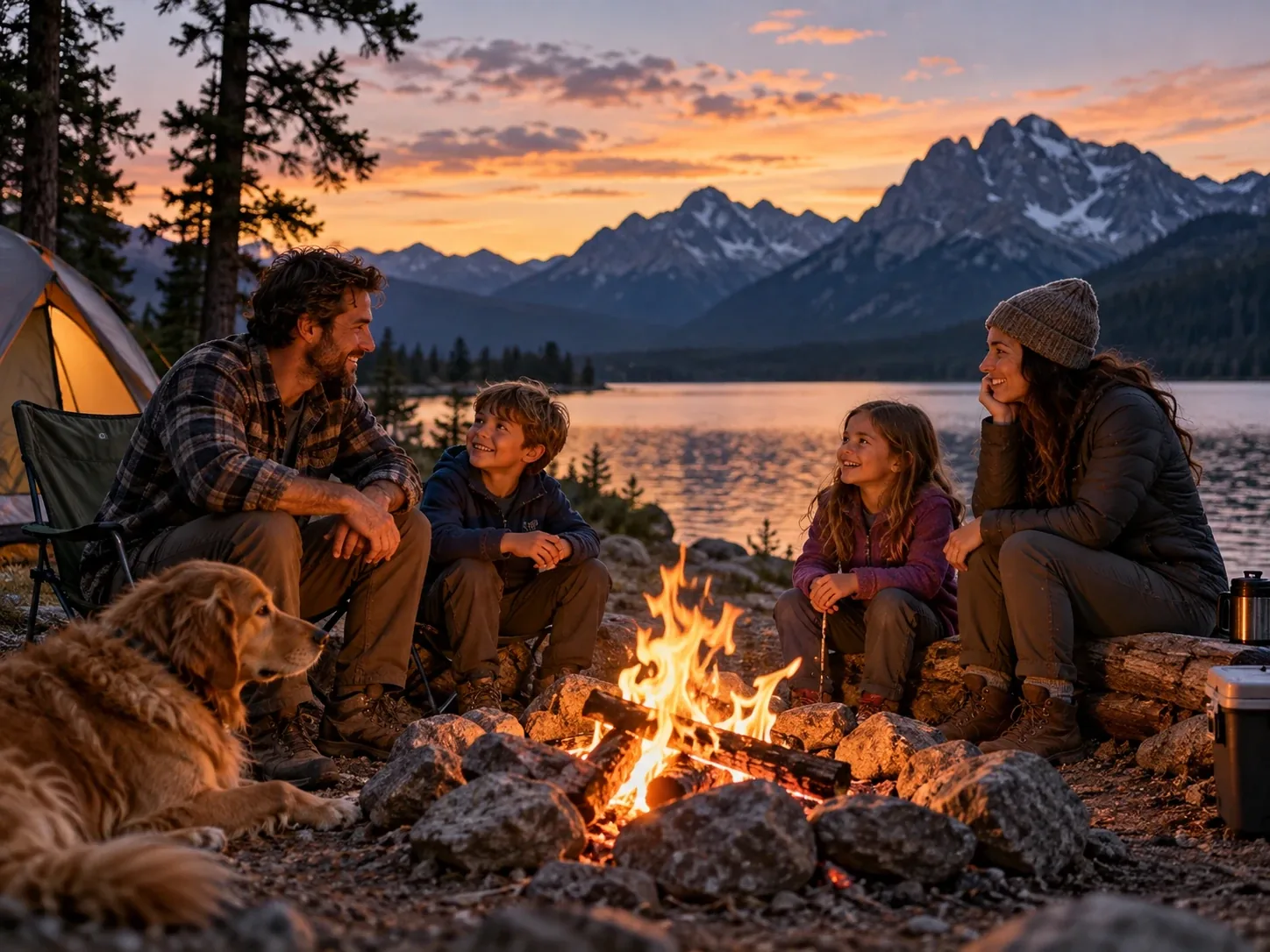
A family of four and their golden retriever sit around a campfire beside a mountain lake at sunset, talking and smiling.

Identity, ritual and memory

Repetition tells us who we are.

Families learn who they are through stories and repeated experiences: the names of ancestors, the way birthdays are kept, the blessing before the meal, the saying children repeat years later. These carry values more clearly than any rule, and they show children they belong to a larger story.

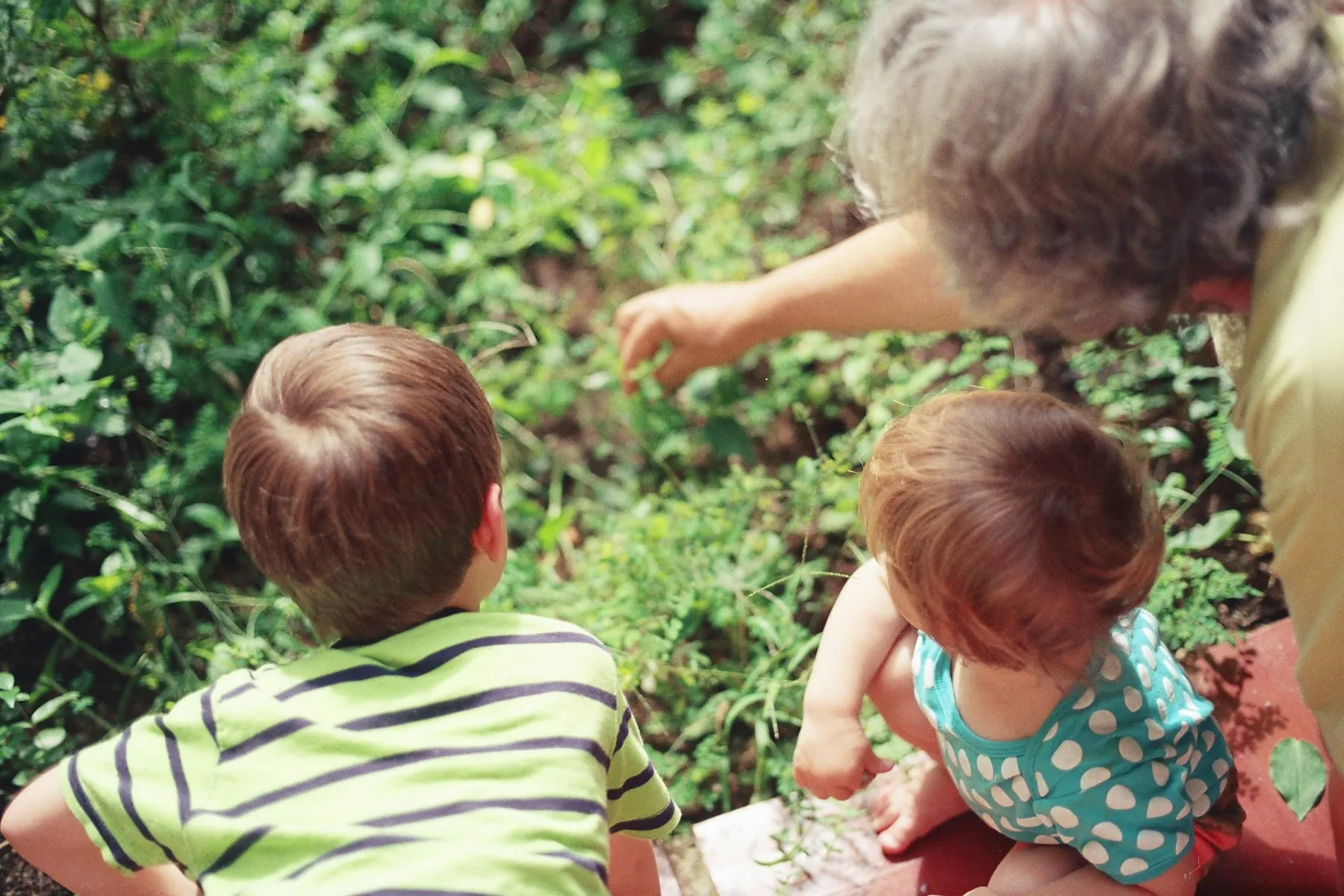
  • A grandmother reaching into a green garden bed while two small children crouch beside her, seen from above and behind.

    Generational continuity

    What we build can grow stronger in the next generation.

    Parents, grandparents, siblings and mentors each pass something on, and the generations should know one another in ordinary life, not only on holidays. The aim isn't to copy every custom without question. It's to hand on what is good, along with the wisdom, and the room, to improve on it.

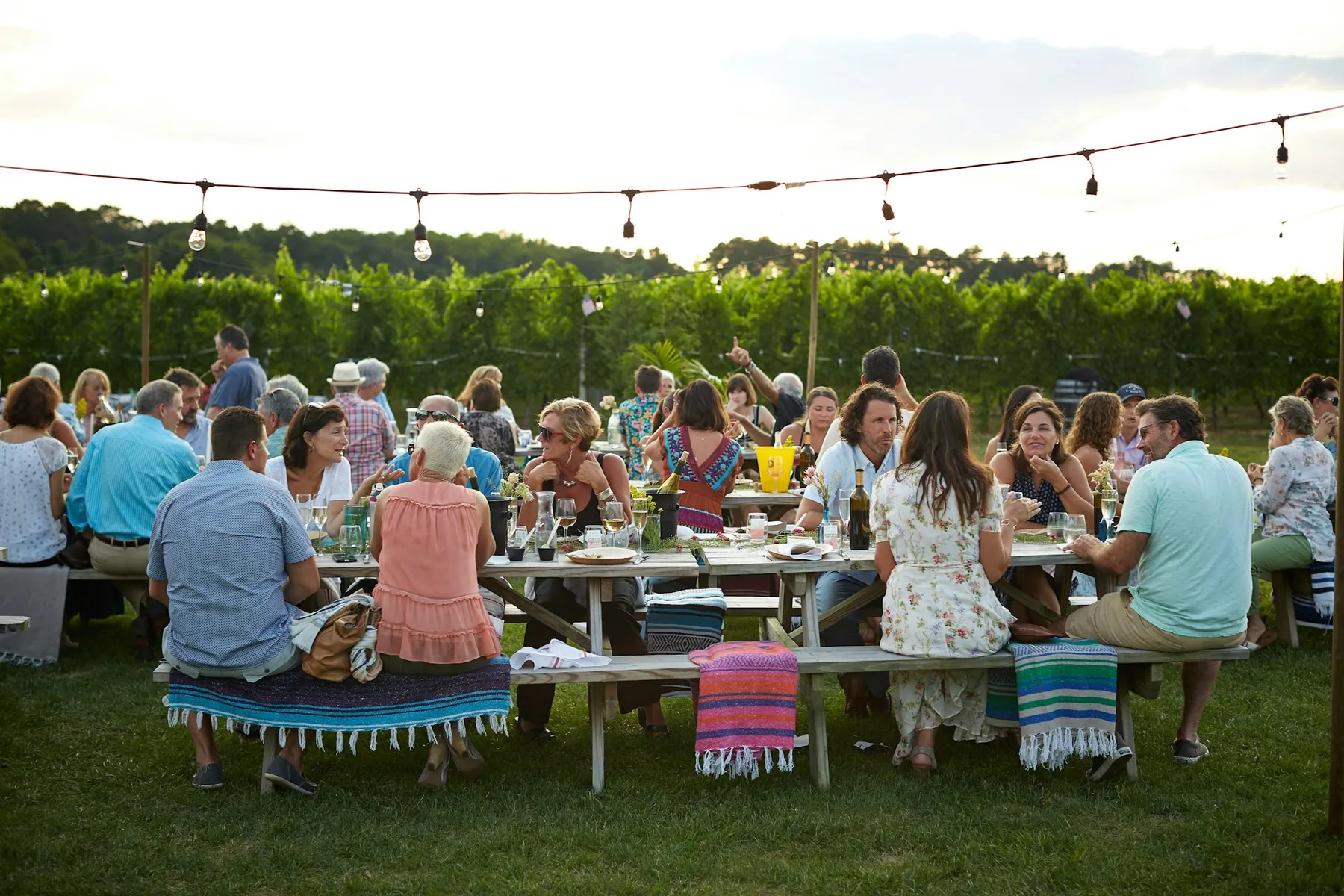
  • A big outdoor dinner at picnic tables under strung lights, with a vineyard behind and guests of all ages talking and laughing.

    Outward purpose

    Our strength is meant to be shared.

    A strong family becomes a source of strength to others, with skills to share, encouragement to offer and needs it can help meet. Service beyond the home grows compassion, competence and community. A family's culture is healthiest when it isn't only about itself.

Our maxim

We rise by raising.

Parents lift children. Children lift the home. Siblings carry one another, grandparents pass on what they know, and together a family turns its strength outward. Everyone has something to give, and everyone, at times, needs to be carried.

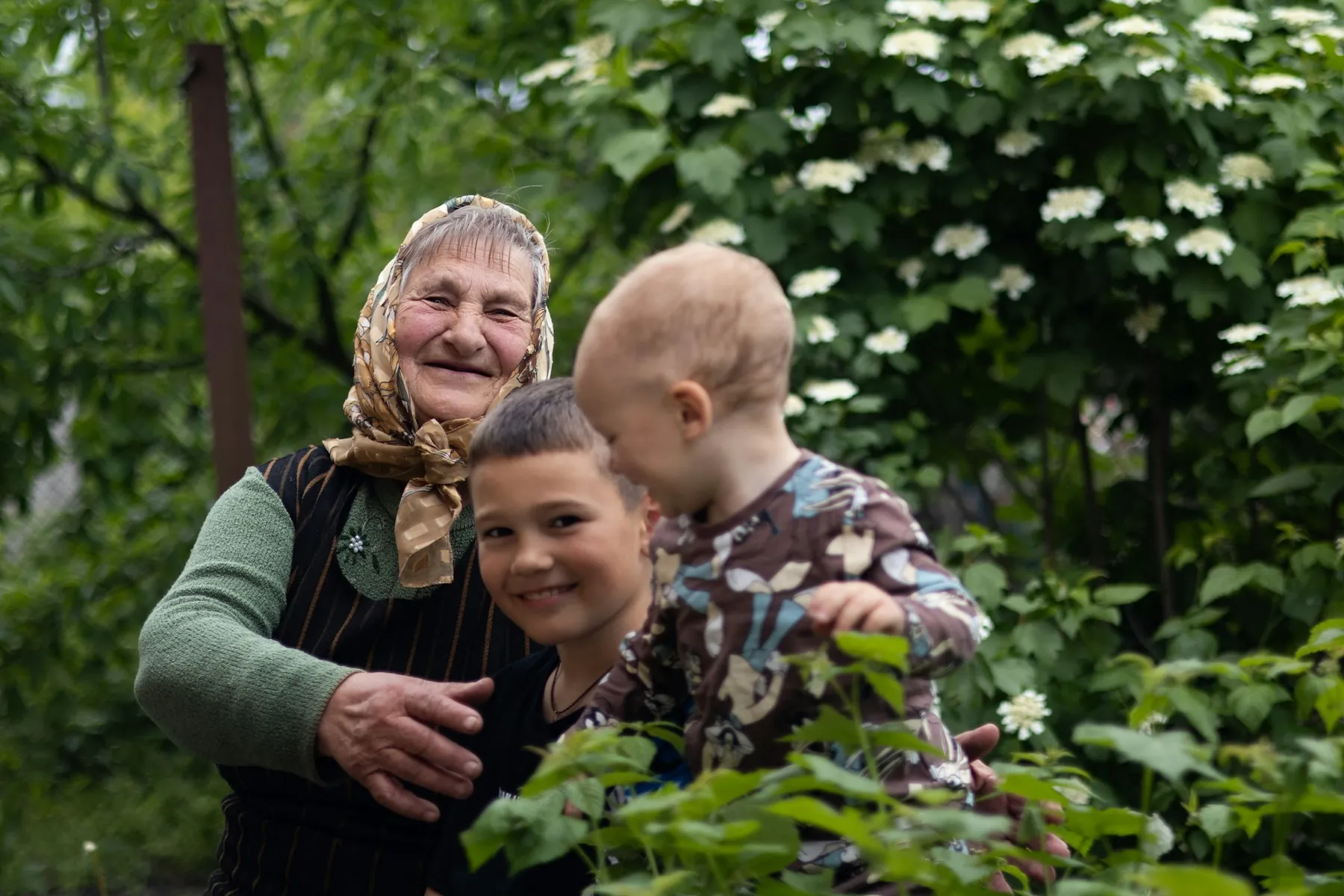
A smiling grandmother in a patterned headscarf with her arms around two young children in a leafy garden.

How we decide

Every rule wears its true label

Anyone, at any age, may ask “Is that scripture, counsel, tradition, or preference?” and get a straight answer.

  1. Scripture

    “Here's the scripture.” And we show it.

  2. Counsel

    “This is what wise teachers have taught.”

  3. Tradition

    “This is how our people have done it.”

  4. Family judgment

    “This is my judgment as your parent,” or “This is a house rule.”

  5. Preference

    “I just like it this way.”

  6. Honest not-knowing

    “I don't know yet. Let's find out together.”

A family system can slowly take on an authority God never gave it. Honest labels keep us from that.

Prove all things; hold fast that which is good.

1 Thessalonians 5:21

What we won't do

A long wooden table in a warm, lamplit room, with people of different ages deep in conversation over plates and candles.

People matter more than systems.

  • We won't rank families, or treat any family as worth more than another.
  • We won't score faith, devotion or love. The assessment doesn't ask what you believe.
  • We won't teach children that affection must be earned through performance.
  • We won't let service become an excuse for neglect, exploitation or coercion.
  • We won't assume one shape fits every family. One home or several, blended, single-parent or multigenerational: the principles are shared, and their practical expression belongs to each family.
  • We won't claim a short assessment can measure a family's health or predict its future.
  • We won't stand in for a pastor, counselor or doctor. If anyone is unsafe, their safety comes first.

Our purpose is to help families reflect, learn and build meaningful experiences together.

Begin with your own family

The Family Flourishing Assessment looks at these principles through three dimensions: connection, formation and culture. It takes a few minutes, and your answers stay on your device.

Discover your family's strengths

How we know what we know

Research-informed, honestly

Many of these ideas are as old as scripture. They also find support in long-standing research on attachment, child development, marriage, family routines and rituals, service, and how values pass between generations, and in what we've learned from communities that keep families close across generations. Broadly, that work suggests warm and dependable relationships, shared rhythms and meaningful responsibility tend to go along with families doing well. We treat these as well-grounded starting points, not proven formulas, and we'll keep revising as we learn.

  • The assessment is a reflection tool, not a validated clinical assessment or a comparison with national norms.
  • A short questionnaire can't predict how any marriage, child or family will turn out, and we don't try.
  • No single family shape is proven best. These principles are meant to work across many.
  • Our own family is a starting laboratory, not a universal template. Whether these practices help across many families still has to be shown, and we'll be honest about what we find.
  • If anyone is unsafe, or your family is facing something serious, please reach out to a qualified professional or local support service. This is not a substitute.
A family of four and their golden retriever sit around a campfire beside a mountain lake at sunset, talking and smiling.

What could your family become?

The first step is seeing where you are. In a few minutes, find what's already strong, where there's room to grow, and one small practice to try this week. Your results are yours.

About 4 minutes · No email needed · Your answers stay on your device