Traditions and milestones
The things your family always does
Every family has them. The Sunday supper, the birthday breakfast, the story someone tells every Christmas Eve. Nobody voted on them. Someone started, someone kept going, and one day a child said, “But we always do that.”
Traditions and milestones are how a family remembers who it is. This page is about how they're born, who keeps them, and how they're handed on.



We will not hide them from their children, shewing to the generation to come the praises of the LORD, and his strength, and his wonderful works that he hath done.
Psalm 78:4
What a family keeps
The kinds of traditions
Most aren't grand. They're small things done again, until they carry meaning no one had to explain.
Weekly
Sunday supper, Friday pizza, Saturday pancakes. Small enough to survive a busy week, and the ones children remember longest.
Most traditions start as a rhythm.
Seasonal and holiday
The first-snow walk, the harvest gathering, the Christmas Eve reading. In a big family, households can take turns hosting the holidays, so every home gets its year and no one carries them all.
Birthdays, done our way
The birthday chair, breakfast in bed, a date alone with a parent that grows with them: picked up a little earlier every year, until it's a whole day.
Anniversaries
A wedding day the whole family remembers, not just the couple. The children hear again how it began, and what it took to keep going.
Family sayings
A handful of phrases said until the children say them to each other. “We rise by raising.” “Go to the person.” “What are you building?”
Stories
How Grandma and Grandpa met. The hardest year. A prayer answered no. Tell the real story, not a perfect one: children need heroes with scars.
How a tradition is born
Five steps a practice climbs
No tradition starts old. Each one climbs the same way, slowly, and only as fast as real life allows.
-
Designed
Someone has an idea and says, “I'll keep this.” It's written down, or just said out loud at dinner.
“Let's try this.”
-
Repeated
It happens again, and then again. Some weeks it has to move. Showing up is the whole job for now.
“Same time next month?”
-
Expected
People plan around it. Missing it would be noticed, and someone would ask why.
“It's Sunday, right?”
-
Embodied
No one needs a reminder. It isn't something the family does any more; it's who the family is.
“Of course we do that.”
-
Passed on
A grown child keeps it in a home of their own, shaped to their own season, without being asked.
“We do it at our house too.”
The last step is the real test.
The keeper
Ideas are cheap. Ownership counts.
Anyone can suggest a tradition, and good ideas are everywhere. A tradition only lives when someone chooses to keep it.
The keeper isn't the person who does all the work. It's the one who makes sure it happens, notices when it needs to change, and remembers why it started.
Ideas are cheap. Implementing and owning them is what really counts.
Keepers choose themselves
A keeper is someone who said, “I'll keep it.” A tradition can have more than one, but each one chose it.
Ask, never assign
You can ask, “Would you keep family night?” and “Not me” is a fine answer. You never volunteer someone else, not even a child.
Everyone can have a part
One piece of a tradition can be yours: the child who always brings licorice on the family trip. It's often how a child first starts shaping the family's culture.

Passing it on
Every tradition needs a why a child can ask about
That this may be a sign among you, that when your children ask their fathers in time to come, saying, What mean ye by these stones? Then ye shall answer them, That the waters of Jordan were cut off before the ark of the covenant of the LORD; when it passed over Jordan, the waters of Jordan were cut off: and these stones shall be for a memorial unto the children of Israel for ever.
Joshua 4:6–7
Israel stacked twelve stones by the river so their children would ask. A good tradition works the same way. It's a stone on purpose: something a child notices, wonders about, and learns the story behind.
When a keeper moves out or grows out of a tradition, they hand it on, to someone by name who says yes, or to anyone who'd like it. The history stays: who started it, who carries it now. That's part of the family's story too.
If nobody picks it up, it rests. A resting tradition hasn't failed. And when one has grown too heavy to carry, it's all right to let it go. Read the tradition that became too much.
Celebrate
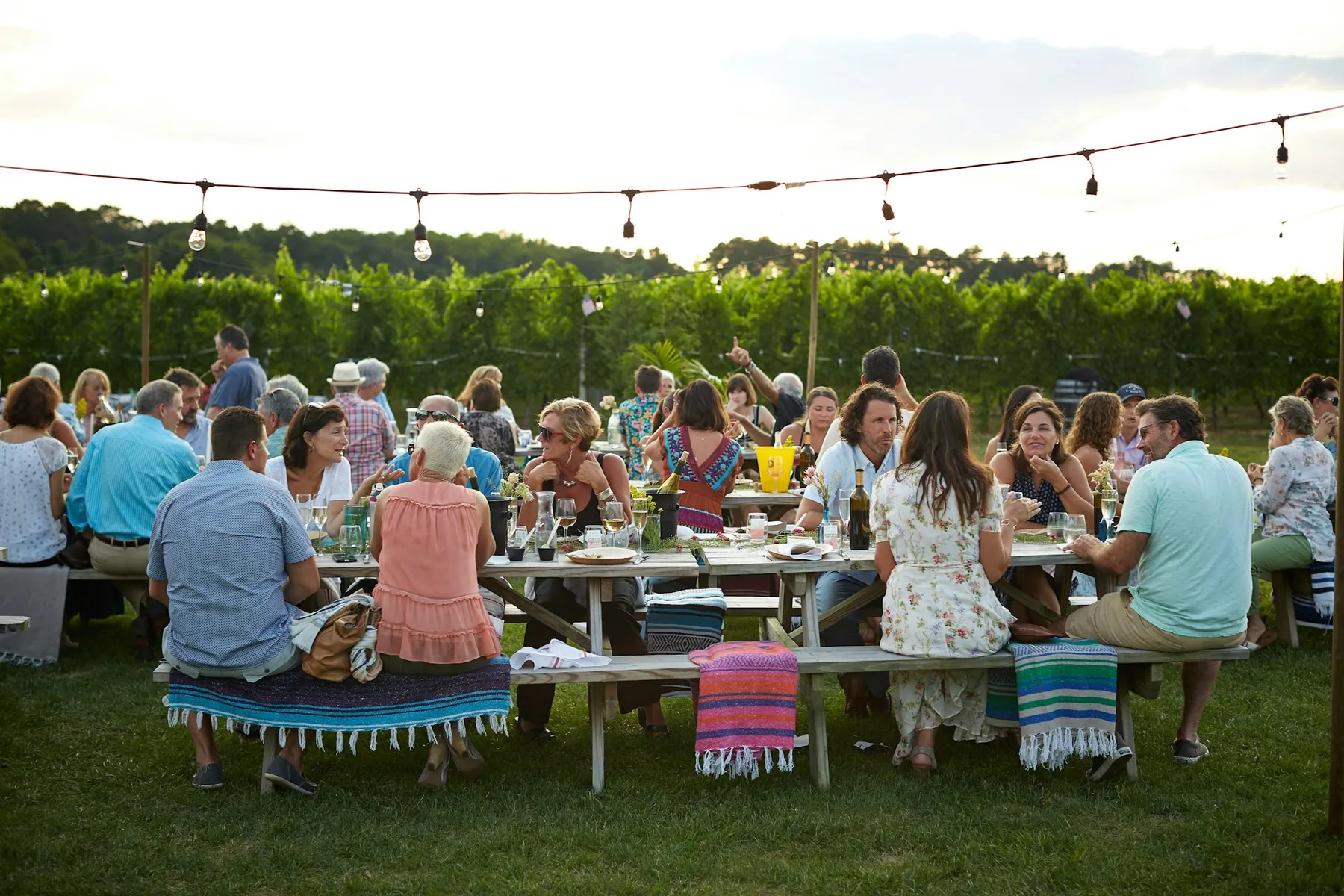
The more celebrations, the better
A finished goal, a birthday, a first job, a tradition kept another year: say it out loud. Families rarely regret noticing too much good.
That's the rule Smarkle is being built to. Celebrations are on by default, and adults can turn the celebration notices off.
Celebrations come in three sizes
Little victories
A word, a smile, a checkmark. Enough to say, “That counted.”
Meaningful accomplishments
Something worked for and finished. Shared with the people who'd cheer, if you want it shared.
Big family moments
The whole family stops for it. The kind of night people talk about for years.
Some things are never made into a game: prayer, scripture, and anyone's worth. When milestones come to the app, a milestone of worship will get a still, quiet card, never fireworks.
Milestones
Once in a life, for one person
A milestone is a step that happens once: a driver's license, a first job, graduation, a new home, becoming a big brother or sister. The family recognizes it on purpose, and it becomes part of that person's story.

A milestone can hold
- What it's for, in one line
- New responsibilities, and new privileges beside them
- A small ceremony, led by someone who's been through it
- Letters of encouragement, sealed until the day
- A keepsake, and a photo
Every part is optional. A milestone can be just a title and a photo.
Five moments for growing up
Some milestones mark the long road to adulthood. We've written about five evenings a family might keep, each with more trust than the last.
How Smarkle helps
The family lives it. Smarkle remembers.
A tradition is kept by keeping it. Software can't do that part. What it can do is make the time easier to find, keep the memories together, and stay out of the way.
In the family space now
Your rhythm
Repeating events on a shared calendar, each marked Plan, Work, Celebrate or Sabbath, from daily to yearly. See rhythms.
Birthdays
Coming birthdays show on Today and on the family screen in the kitchen.
Our memories
Photos, albums and written memories with the people who were there. “On this day” brings back the same date from years past.
Family sayings
A shared library of your family's sayings and questions, with one thought for the family each day on every screen.
Celebrations
Share a finished goal with your household and get shoutouts back. A child's finished chores end with a cheer.
Coming
Make it a tradition
One tap on any repeating event, and it gets its own page: why you do it, who keeps it, and its memories through the years.
Keepers and passing on
Keepers named by their own choice, and a way to hand a tradition on with its history kept.
A gentle suggestion
When something keeps happening, a quiet question, now and then: “Would you like to remember these evenings together?” Never a badge.
Milestones
On each person's story, with steps, sealed letters, and a choice about what to share.
Family stories
Stories with photos, told by grandparents, parents and children, beside the sayings.
What Smarkle won't do
- Keep a streak on a tradition.
- Call a tradition “missed.” It rests.
- Make anyone a keeper who didn't choose it.
- Score or rank a child, a household or a marriage.
This week
Start with what's already yours
Name one thing your family already always does. Ask who'd like to keep it.
Ask a grandparent for one story, and tell it at dinner.
Decide how the next birthday will be done your way, and say it out loud.
Not sure where your family is strong? The Family Flourishing Assessment is a gentle place to begin.
The things we keep, keep us.
One generation shall praise thy works to another, and shall declare thy mighty acts.
Psalm 145:4
What could your family become?
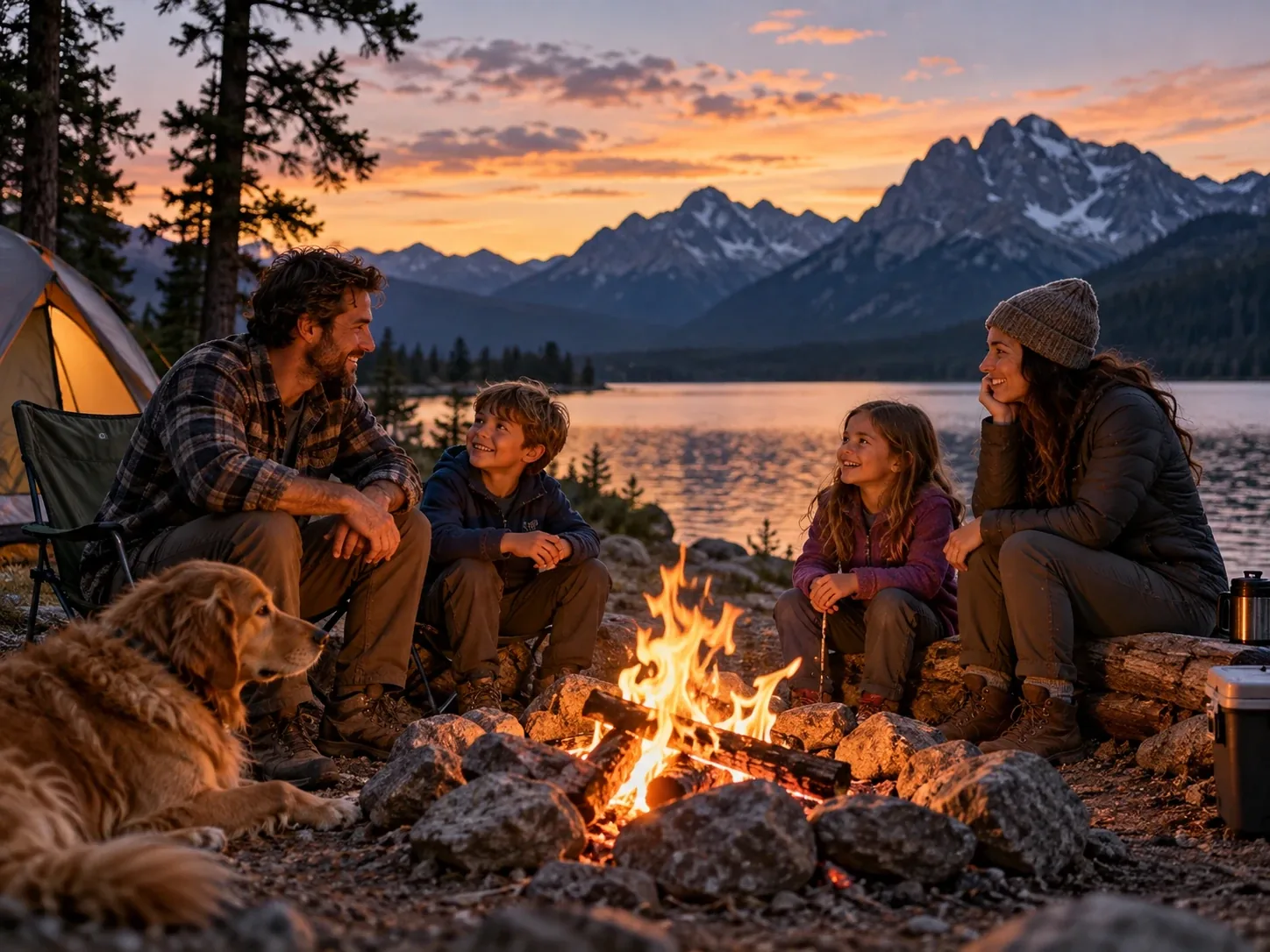
The first step is seeing where you are. In a few minutes, find what's already strong, where there's room to grow, and one small practice to try this week. Your results are yours.
About 5 minutes · No email needed · Your answers stay on your device