This is for families who want traditions but feel they have no time or budget for big ones, and for parents who notice that the grand holidays come and go while ordinary weeks blur together. It covers why weekly beats yearly, a range of ideas to borrow, how to choose one, how to keep it alive, and how children can own it.
Why does a weekly ritual matter more than a yearly one?
Because children learn who their family is through what happens again and again. A big holiday comes once and leaves a few bright memories. A Friday pizza night comes fifty-odd times a year, and by the time a child leaves home it is part of how they understand themselves.
Smarkle's principle of memory puts it in five words: repetition tells us who we are. A family that walks together on Sunday afternoon becomes, in its own eyes, a family that walks together. That sense of "this is what we do" carries values more clearly than any rule, and it gives children a place to stand when the rest of life feels uncertain.
Weekly rituals also forgive easily. Miss one and there is another next week. Yearly traditions carry the weight of having to go perfectly, which is why they so often leave parents exhausted.
Repetition tells us who we are.
What are some simple weekly rituals families keep?
Almost anything can become a ritual if it happens on purpose, on the same day, in the same way. A few ideas to borrow or adapt:
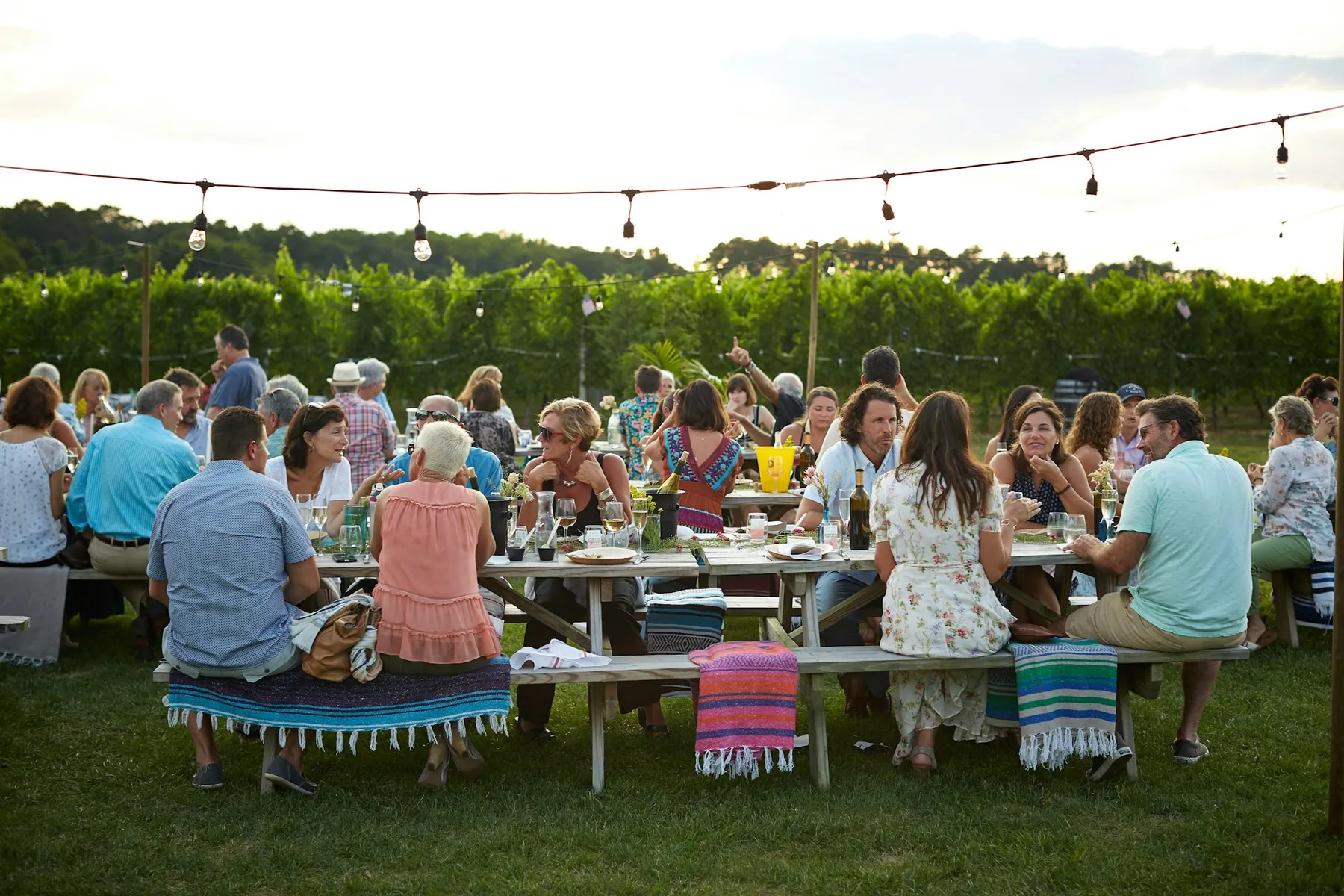
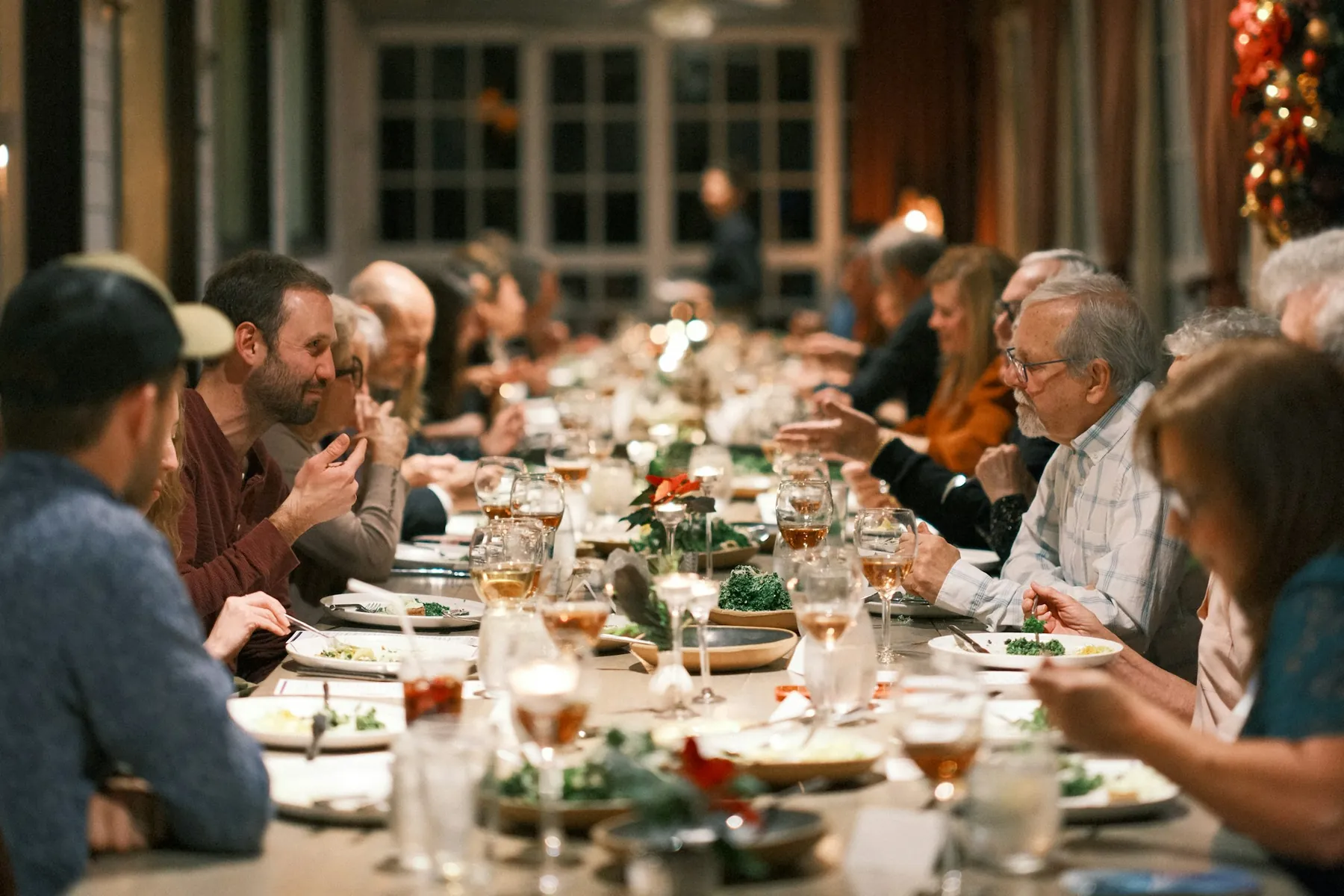
- A special supper. Friday pizza, Sunday roast, taco night. The meal matters less than the fact that it is always that night.
- A Sunday walk. The same loop each week, through the seasons. Children notice the changes in the trees and the neighbors.
- Saturday pancakes. One parent cooks while the house wakes slowly. Older children can take over the stove in time.
- Game night. One board game or card game, one evening, everyone at the table.
- A call to grandparents. The same hour each week, so grandparents can count on it and children grow up knowing them.
- Library day. A weekly trip to pick new books, followed by an hour of reading together.
- A Sabbath table. A slower meal at the start of a day of rest, with candles, a blessing, or simply a cloth on the table.
- Highs and lows. Once a week at dinner, each person shares the best and hardest part of their week.
- A service hour. A regular small act for someone outside the home: a visit, a meal, a note.
- Movie night. A blanket on the floor, popcorn, and turns choosing what to watch.
You do not need many. One or two kept faithfully will do more than five that fade.
How do we choose the right one?
Start with what you already do. Many families have a near-ritual hiding in plain sight: the Saturday donut run, the Sunday drive, the way everyone ends up in the kitchen on Thursday evenings. Name it, protect it, and it becomes a tradition.
If you are starting fresh, ask a few questions:
- What do we enjoy doing together already?
- Which day of the week is least crowded?
- What could we keep up even in a busy season?
- Does it include everyone, or could it?
Choose something easy. A ritual that needs elaborate preparation will not last past the first hard month. The simplest rituals, like a song at the start of dinner or a walk after it, are often the ones children remember most.
How do we keep it from fading?
Rituals fade for predictable reasons: a busy season, a new job, a child's activity that lands on the same night. A few habits help them survive:
- Put it on the calendar. Treat it like an appointment, and say no to things that would crowd it out.
- Keep it short. An hour is plenty. A ritual that takes the whole evening becomes a burden.
- Have a fallback. If Friday supper cannot happen, it moves to Saturday breakfast. The ritual bends without breaking.
- Keep the details the same. The same plates, the same song, the same walk. Repetition is the point.
- Restart without speeches. If you miss a few weeks, just begin again. No guilt is required.
A father of three young children might find that game night survives only because he moved it from Friday, when everyone was tired, to Sunday afternoon. Adjusting the time is not failure. It is how a ritual lasts.
How can children own a weekly ritual?
Children care most about what they help build. Give them a real part. One child chooses the game. Another sets the special table. A teenager plans the Sunday walk route or cooks the Friday supper.
Ownership has to be chosen, though, not assigned. Ask who would like to be the keeper of a ritual, the one who remembers, prepares and reminds. A child who chooses that role often carries it for years, and sometimes into a home of their own.
Over time, let rituals grow with your children. Saturday pancakes might become teenagers making breakfast for younger siblings. A library trip might become a book club around the table. The ritual stays; its shape matures.
What about weeks when life is hard?
Keep the ritual, even smaller. In a season of illness, grief or a new baby, the Friday supper might be takeout on paper plates. That is still the ritual. In hard weeks especially, the familiar thing says to children that the family is still here and still itself.
If a ritual starts to feel heavy, look at it honestly. Some rituals belong to a season and can be gently retired. Ask which ones someone would grieve to lose, keep those, and let the others go without regret.