This is for parents who finish December tired and a little hollow, with a pile of wrapping paper and a sense that the season slipped past without saying anything. It covers why the gifts take over, how to add rather than subtract, a handful of traditions families keep, how to talk with children about it, and how to keep the change gentle.
Why do presents take over Christmas?
Because they are the loudest part of it. Stores start in autumn. Wish lists fill up. Children compare at school. Gifts are visible, countable and easy to plan, while the quieter meanings of the season have no advertising budget.
There is also love in it. Many parents give generously because they want their children to feel cherished, or because they remember Christmases when there was not enough. That is a good impulse. The trouble is not the gifts themselves. It is that nothing else is given as much time, attention or anticipation.
So the question is less "How do we cut back?" and more "What else could this season be about, and how do we give that real weight?"
Why add before you subtract?
Taking things away tends to feel like punishment, especially to children. Announce that this year there will be fewer presents and you may get tears, bargaining and a season that feels smaller.
Add something good first, and let it earn its place. A family that spends a December morning serving a meal at a shelter, or delivering cookies to neighbors who live alone, often finds the gift pile matters less without anyone saying so. Children who have lit candles in a quiet evening of carols and stories usually remember that long after they forget which toy came when.
After a year or two of new traditions, many families find it easy to agree on a simpler approach to gifts, because the season already feels full.
Children rarely remember what we meant to do. They remember what happened again and again.
What traditions point to what matters?
Choose two or three, not ten. A tradition takes root by being repeated, and a crowded December leaves no room for repetition. Some families keep:
- A giving day. One Saturday in December set aside for others. Shop together for a family in need, help at a food bank, or visit an elderly neighbor with a tin of cookies. Let children help choose who to serve.
- A quiet evening. One night with the lights low, candles lit and screens away. Read the Christmas story aloud, sing a few carols, pray together if that is part of your family's life, or simply sit and talk about what you are grateful for.
- An Advent rhythm. A short moment each evening of December, perhaps lighting a candle at dinner or reading one page of a story, so the season unfolds slowly rather than arriving all at once.
- A gift of time. Each family member gives another a handmade coupon for something they will do together: a hike, a baking afternoon, a game of the other person's choosing.
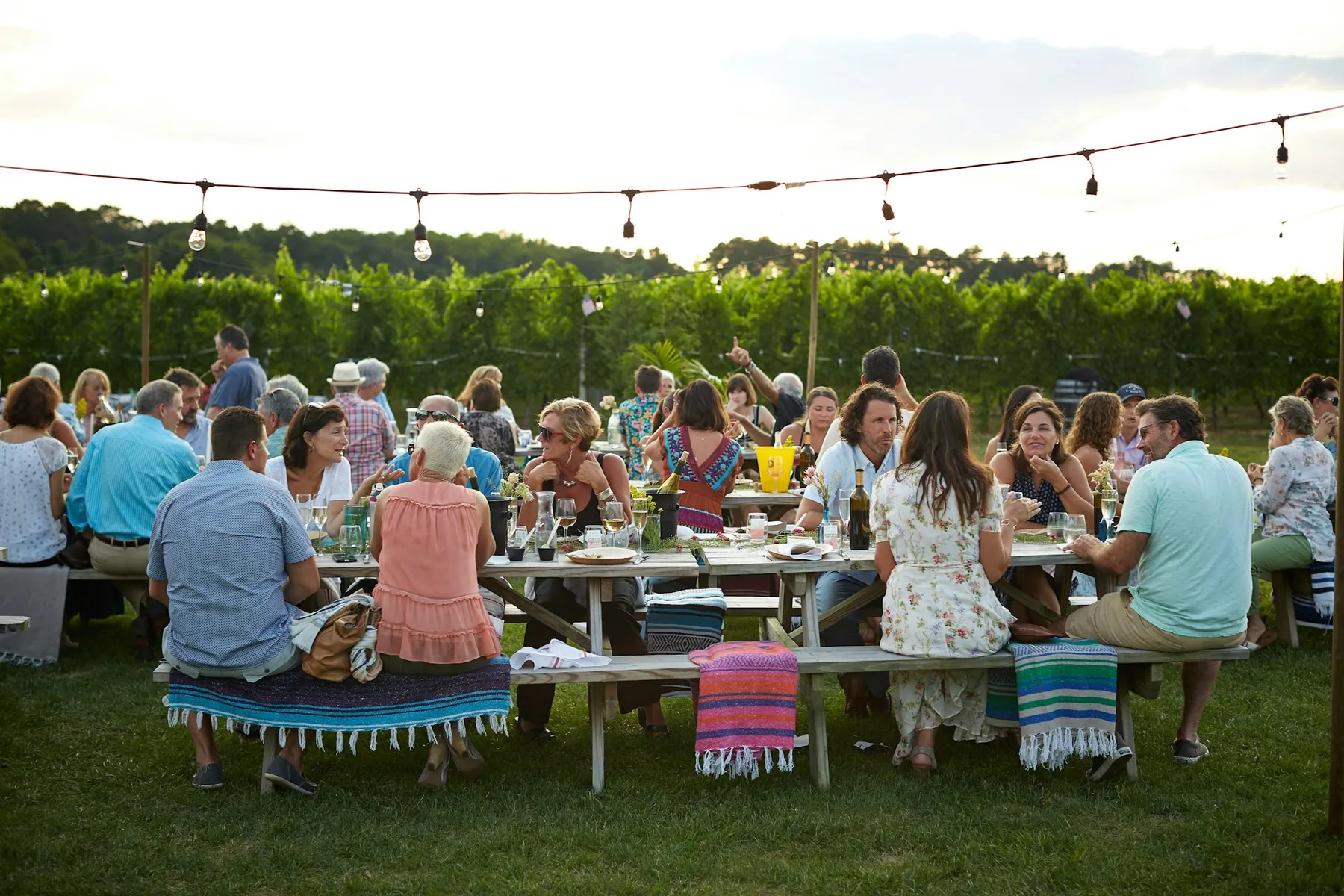
- A table for others. Invite someone who might otherwise be alone, a widowed neighbor, a student far from home, a new family at church.
The best traditions are simple enough to repeat every year and specific enough to feel like yours.
How do we keep gifts in their place?
Once the new traditions have weight, it becomes easier to talk about gifts. A few approaches families use:
- Something you want, something you need, something to wear, something to read. A familiar rhythm that keeps the pile modest without feeling stingy.
- One gift from parents, one from a sibling. Siblings draw names and choose or make something for one another.
- Experiences over objects. A trip to the zoo, lessons, a day out with a grandparent.
- A slower opening. One gift at a time, with everyone watching, instead of a frenzy of paper.
Whatever you choose, talk with grandparents and other relatives early and kindly. Many are happy to give experiences or contribute to one larger gift when they understand why.
How do we talk with children about the change?
Honestly and warmly, without making them feel guilty for loving presents. Children are supposed to love presents. You might say, "We love giving you gifts, and we always will. This year we also want to make room for some things we think matter even more, and we want you to help choose them."
Give children real ownership. Let them pick the family to shop for, plan the menu for the neighbor visit, or choose which carols to sing. A tradition children help shape is one they will carry with them.
If a child is disappointed, let them be. Disappointment is not damage. Stay steady and kind, and let the new traditions speak for themselves over the years.
What if this season is already hard?
For some families December is heavy. A recent death, a divorce, money trouble or a long illness can make the season feel impossible to celebrate. Be gentle. Keep one small tradition that still feels true and set the rest aside for a year. Keeping holidays after a death in the family speaks to that directly, and holiday traditions in a blended family helps when two family histories meet.