This is for parents who find themselves catching children in lies, or who suspect they are hearing only the safe version of things. It looks at why children hide the truth, what parents do without meaning to that rewards hiding, how to respond when a child confesses, and how honesty grows as children get older.
Why do children hide the truth?
Mostly because of what happens next. A child weighs the cost of telling against the cost of being found out. If telling brings shouting, shame or a punishment larger than the mistake, hiding starts to look sensible.
Young children also lie for simpler reasons. They wish something were true. They are testing what is real. They panic. These early untruths are part of growing up, not a sign of a bad character, and they call for gentle teaching rather than alarm.
Older children and teenagers usually hide things for more complicated reasons: fear of disappointing you, a wish for privacy, worry that you will overreact, or protecting a friend. None of these are excuses, but understanding them helps a parent respond in a way that opens the door rather than closing it.
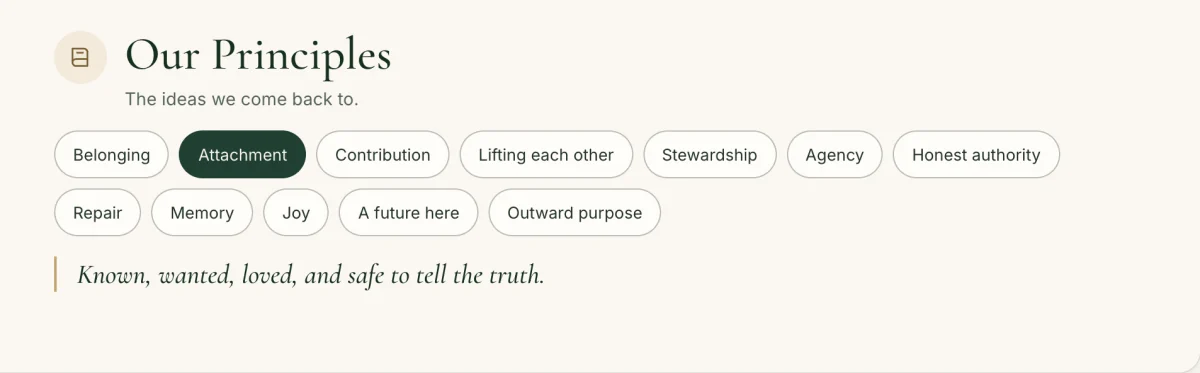
Smarkle's principle of attachment describes what every person needs at home: to be known, wanted, loved, and safe to tell the truth. That last phrase is not an afterthought. Safety and honesty grow together.
Known, wanted, loved, and safe to tell the truth.
What do parents do that teaches hiding?
Usually with good intentions. A few common patterns:
- The explosion. A child confesses to breaking a lamp and is met with a shout. They learn the lamp was the smaller problem.
- The trap. A parent who already knows the answer asks, "Did you eat the cookies?" to see if the child will lie. This invites the lie it is trying to catch.
- The double punishment. A child admits a mistake and receives the full consequence, plus extra for having done it. Telling the truth feels like it doubled the cost.
- The lecture that never ends. Honesty is met with twenty minutes of disappointment, and the child decides next time is not worth it.
- The broken confidence. Something shared privately is repeated to a sibling, a grandparent or at dinner. The child learns that telling you means telling everyone.
Most parents recognize at least one of these in themselves. That is fine. Noticing is the beginning.
How should we respond when a child tells the truth?
With calm first and consequence second. That order is the whole method. Keep it every single time, and children slowly learn that the truth is safe here.
When a child confesses, try this sequence:
- Breathe. Your first reaction matters most. A steady face and a quiet voice tell a child they did the right thing by coming to you.
- Thank them. "Thank you for telling me. I know that was hard." Say it before anything else.
- Ask, then listen. "What happened?" Let them tell it fully before you respond.
- Deal with the problem together. "Okay. How do we make this right?" Often the child already has an idea.
- Keep consequences proportionate. A natural consequence, like repairing or paying toward what was broken, teaches responsibility. Adding punishment for the confession teaches silence.
- Close warmly. End with something that says the relationship is intact. A hug, a "We're good," a shared task.
A mother whose twelve-year-old admits he lied about finishing his homework might say, "Thank you for telling me. Let's figure out what's left and when you'll do it." The homework still gets done. What changes is what he learns about coming to her next time.
What about when we catch a lie?
Calm still comes first. Name it plainly, without labels: "I don't think that's what happened. Can we try again?" Give the child a chance to tell the truth now, and treat that second chance with the same steadiness you would a first confession.
Avoid calling a child a liar. Children tend to grow into the names we give them. Talk about the lie as something they did, not something they are.
Then talk about trust. With older children, it helps to explain that freedoms and trust are connected: "When I know I'll hear the truth from you, I can say yes to more things." This is not a threat. It is simply how trust works between people, and children understand it better than we expect.
Does honesty go both ways?
It has to. Children learn honesty mainly by watching it. A parent who tells small untruths, to a caller, about a child's age at the ticket counter, about why they cannot come to an event, is teaching that honesty is negotiable.
Parents also need to be truthful about themselves. Admit mistakes. Say "I don't know" when you don't. Tell the real family story, hard years included. Children who hear honest stories from their parents feel freer to tell honest stories back.
Honesty about expectations matters too. Say clearly which family rules are deep convictions and which are simply preferences. When children know which is which, they can ask real questions without fear, and they are less likely to hide disagreement behind a show of compliance.
How does this change as children grow?
Small children need short, gentle responses and lots of practice. Praise honest admissions warmly. Teach the difference between pretend and real without making untruths seem shameful.
Children in the middle years can begin to understand trust as something built over time. They are also often fiercely concerned with fairness, so proportionate consequences matter.
Teenagers need privacy as well as honesty. Not every thought belongs to a parent, and a teenager who is allowed some private life is often more honest about the things that matter. Make clear which subjects you need to hear about, especially anything touching on safety, and keep your reactions calm enough that they will actually tell you.