This is for parents who wonder whether the small, repeated things they do with their children actually matter, or who sense their home has lost its anchors in a busy season. It covers what rituals give children, the difference between a ritual and a routine, how rituals carry a family's story, how to keep them in hard times, and how to begin.
What does a ritual give a child?
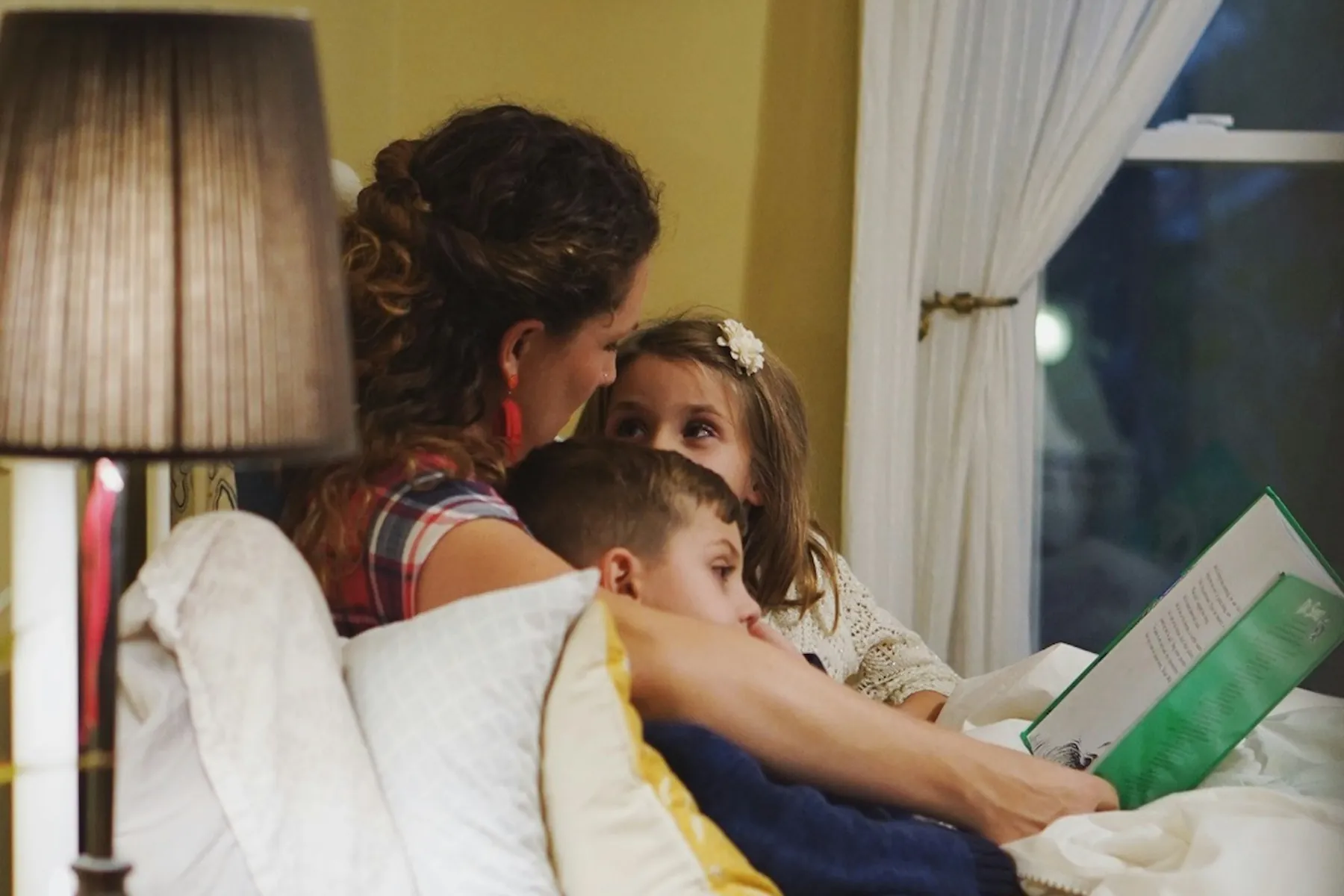
First, it gives safety. Children live in a world that is mostly decided by others. They don't choose when to move house, when parents change jobs or when the school day starts. A ritual is a small island they can count on. When bedtime always includes the same story and the same goodnight, a child can let go of the day because they know how it ends.
Second, it gives belonging. A ritual is something "we" do. The child who helps light the candle at supper, or who always gets to choose the Saturday pancake shape, is not watching family life from outside. They are inside it, with a part to play.
Third, it gives identity. Over years, the things a family repeats begin to say who it is. "We are the kind of family that walks after dinner." "We are the kind of family that has people over." Children absorb those sentences without being told them, and many carry them into the homes they build later.
Repetition tells us who we are.
What's the difference between a ritual and a routine?
A routine is about getting things done. Brushing teeth, packing lunches, driving to practice. Routines help the day run.
A ritual is about meaning. It might use the same moments, but it adds attention and warmth. Brushing teeth is a routine. Brushing teeth and then, every night, telling one good thing about the day before the light goes off is a ritual. The difference is not in the activity but in what it says: you matter, this moment matters, we are together.
Many of the best rituals are routines with a little more love poured in. A drive to school becomes a ritual when the same song plays and the same question is asked. Washing dishes becomes one when a parent and child always talk there.
How do rituals carry a family's story?
Children learn who they are partly through stories. Where we came from. What our grandparents did. What we do on hard days. Rituals keep those stories alive by acting them out.
A family that makes a grandmother's bread every autumn is telling the story of where they come from. A family that lights a candle on the anniversary of a death is telling the story that love lasts. A family that writes down one thing each child learned every New Year's Day is telling the story that growing up is something to be noticed.
Children often remember the ritual long after the words. Ask an adult what they remember from childhood, and many will name small repeated things: the smell of a particular breakfast, the song in the car, the way a parent always said goodnight. Those are rituals doing their quiet work.
Do rituals still matter when life is hard?
Even more. In a season of illness, moving, divorce or grief, a child's world can feel unsteady. Keeping one or two rituals going says that not everything has changed. The bedtime story still happens. The Friday supper still comes. Even when much is uncertain, some things hold.
Keep rituals small enough to survive hard weeks. A ritual that requires a big meal and a perfect evening will be the first thing dropped. A ritual of saying one good thing at bedtime can survive a hospital stay, a hotel room or a phone call from far away.
If you are walking through something very hard, such as a family crisis, abuse or a parent's serious illness, a ritual is not a replacement for real help. Find a counselor or trusted support first, and let the small rituals be one of the ways your children feel held while you get it.
How do we begin, or begin again?
Start with what you already do. Look at your week and ask where a routine could become a ritual with just a little more attention. Bedtime, supper, the morning drive and the start of the weekend are common places.
Then choose one and keep it simply:
- Bedtime. The same short song, prayer or question every night.
- Supper. Light a candle, say grace, or go around the table with one good thing.
- The weekend. Saturday pancakes, a Sunday walk or a Friday movie night.
- Birthdays. A special breakfast, the birthday person's chosen meal, or a question asked every year.
- Seasons. The first snow, the first day of summer, the first day of school.
Let children help shape it. A ritual becomes theirs when they get to choose the pancake shape or the song. And keep it for a while before adding another. One kept faithfully beats five that fade. Small weekly rituals that anchor a family has more ideas for the week.