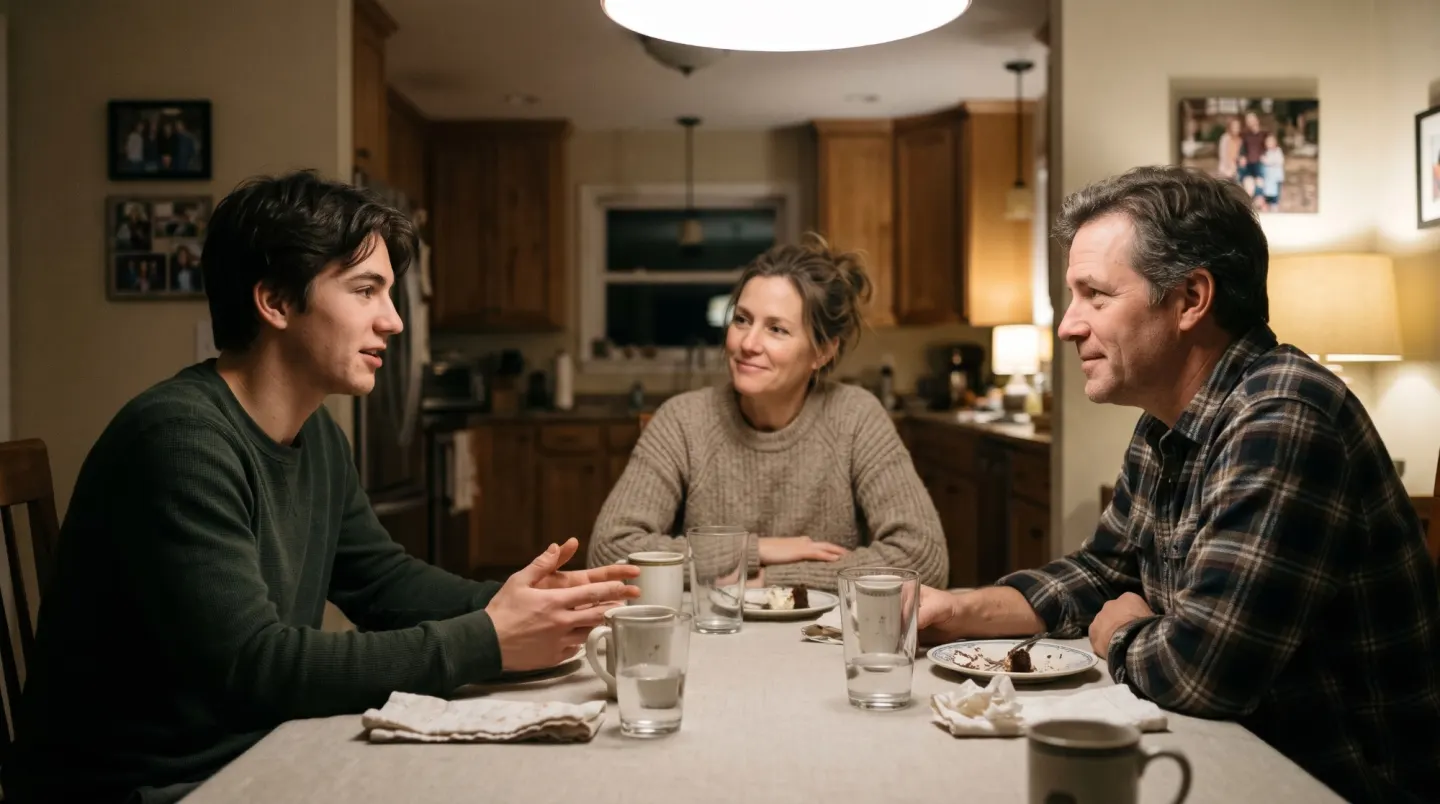
This is for parents whose children have grown up and left home, or are about to, and who want a real relationship with the adults they have become. It covers how the relationship changes, what to say and not say, how to keep in touch across distance and busy lives, and how to handle the harder moments.
Why does the relationship have to change?
For eighteen years or so, a parent's job is to guide, protect and teach. Then the job changes. Your child becomes an adult who owns their direction. Your role moves from command to counsel.
Many parents find this harder than they expected. Habits of instruction run deep. You notice your son's car needs tires, your daughter's job seems unsteady, the way they parent is different from how you did it. The urge to say something is strong.
But adult children tend to pull away from parents who keep managing them, and lean toward parents who treat them as peers. The goal is a friendship with history: still your child, and now also an adult whose judgment you respect.
A simple shift in question helps. Instead of "What should you do?" try "What are you building?" and later, "What do you need from us?"
Good leadership grows people who lead themselves.
How do we give advice without overstepping?
Wait to be asked, or ask first. "Would you like my thoughts, or do you just want me to listen?" is one of the most useful sentences a parent of adults can learn. Often they just want to be heard.
When you do give counsel:
- Offer it once. Say it plainly and kindly, then let it go. Repeating it turns counsel into pressure.
- Respect their decision. Even when you would choose differently, it is theirs to make.
- Do not go around them. Avoid raising concerns through their spouse, siblings or friends.
- Stay out of their marriage. Support it, speak well of their spouse, and do not take sides in ordinary disagreements.
- Honor their household's rules. In their home, their customs come first, including how they raise your grandchildren.
A father whose daughter chose a different path from the one he hoped for might say: "I'd have chosen differently, and I'm proud of how you're thinking it through." That keeps the door open.
What rhythms help us stay connected?
Closeness rarely survives on good intentions. It survives on small, regular moments that both sides can count on. The key is to set rhythms that invite rather than require.
Some ideas families use:
- A standing call. The same evening each week, short and easy. If they miss it, no guilt, just try again next week.
- A monthly meal. Sunday supper at your home, open to whoever can come, with no questions asked about those who cannot.
- A one-on-one walk or lunch. Time with each adult child alone, a few times a year.
- A shared thread. A family message group for photos, small news and jokes.
- A yearly gathering. A summer campout, a holiday weekend, or a reunion that becomes a tradition.
Keep the rhythms light and the door wide. A grown son who knows Sunday supper is always there, and never resented when he skips it, will come more often than one who feels watched.
How do we stay close across distance?
Many adult children live far from home. Distance changes the shape of closeness, not the possibility.
- Use video for ordinary moments. Not only birthdays, but a call while you cook or while the grandchildren show you a drawing.
- Visit on their terms. Ask when it suits them, keep visits a sensible length, and help with their household while you are there.
- Send small things. A newspaper clipping, an old photo, a recipe card. These say "I thought of you" without asking for a reply.
- Plan one trip a year together. A shared place to look forward to keeps the relationship growing, not just maintained.
What about the harder moments?
Every close family has friction. An adult child may feel hurt by something from their childhood. A spouse may not get along with the in-laws. A decision may strain things for a season.
When hurt comes up, listen first. Resist defending yourself straight away. "Tell me more about how that felt" opens more than "That's not how it happened." You can own your part without accepting every charge, and a simple apology for what you got wrong can repair years.
If an adult child pulls back, keep the door open without pushing through it. Send a short, warm note now and then. Respect the distance they need. Many relationships that cool in one season warm again in another.
If there is real harm, or safety is at stake, seek outside help. That is a strength, not a failure.
How do grandchildren change things?
Grandchildren often draw families closer, and they can also bring new tensions. Your adult children are now the parents, with their own way of doing things.
- Support their parenting, especially in front of the children.
- Ask before offering advice, and before buying big gifts.
- Offer specific help. "Could I take the children on Thursday so you two can have dinner?" is better than "Let me know if you need anything."
- Build your own small traditions with the grandchildren, with their parents' blessing.