This is for parents who are tired of saying "you should be grateful" and seeing eyes roll, and for families who want gratitude to feel warm and natural rather than like a chore. It covers why reminders backfire, how to build a simple practice, ideas for children of every age, and what to do when someone has nothing to say.
Why doesn't telling children to be grateful work?
Because gratitude is a feeling, and feelings do not come on command. When we tell a child "you should be grateful," they mostly hear criticism: you are not grateful enough. That tends to produce guilt or defensiveness, not thankfulness.
Gratitude grows from noticing. A child who has never been asked to look for good things will not see many. A child who is asked every evening, "What was one good thing today?" slowly starts to look for them during the day, so they will have something to say. That habit of attention is the root of gratitude.
If you are worried your children seem ungrateful, take heart. That is usually not a character flaw. It is simply a skill that has not been practiced yet.
What does a simple gratitude practice look like?
The best practices are short, regular and specific. A few that work well for many families:
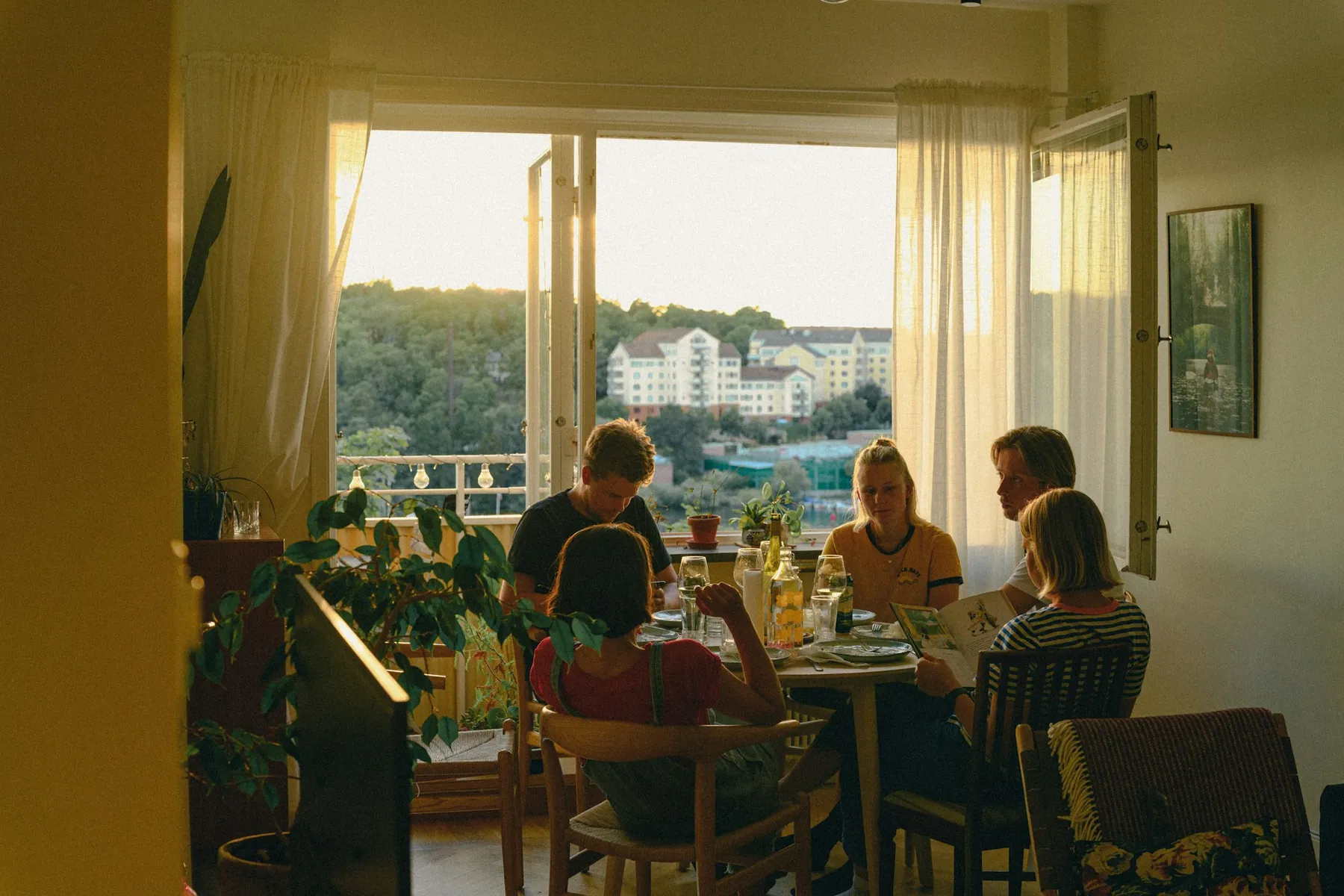
- One good thing at dinner. Each person names one good thing from their day. Parents go first and keep it real.
- Thank-you at bedtime. Before sleep, a child names one person they are thankful for and why.
- A gratitude jar. Family members write good things on slips of paper and drop them in a jar. Read them aloud at the end of the month or year.
- A weekly appreciation. At a family meeting or Sunday dinner, each person names something specific another family member did that week.
- A blessing before meals. Some families say a short prayer or blessing that names what they are thankful for.
Choose one and keep it going. A small practice kept faithfully grows more gratitude than an elaborate one that fades.
Life together should be delightful, not just correct.
Why does being specific matter so much?
Vague gratitude tends to become automatic. "I'm thankful for my family" is true, but it can be said without thinking. Specific gratitude requires attention: "I'm thankful Dad drove me to practice even though he was tired."
Specific gratitude also does something for the person being thanked. A sibling who hears "thank you for helping me find my shoes this morning" feels seen in a way that a general thank-you never quite manages. Over time, specific appreciation changes how family members treat each other.
Model this yourself. Instead of "thanks for helping," try "thank you for clearing the table without being asked; it gave me a minute to sit down." Children learn the shape of real gratitude by hearing it.
How do we include children of different ages?
Gratitude can start very young and deepen as children grow.
- Toddlers and preschoolers can name one thing they liked about the day, even if it is "the park" or "the cookie." Accept every answer warmly.
- Children in the middle years can name a person and a reason. Encourage them to write thank-you notes or draw pictures for people who helped them.
- Teenagers may resist anything that feels childish. Keep it light and optional, and let them choose how to take part. A teenager might prefer to share once a week rather than every night, or to send a message of thanks to someone.
Let the practice grow with them. A child who started with "the cookie" at four may one day name something surprising and deep at fourteen.
What if someone has nothing to say, or the day was terrible?
Some days are hard, and forced gratitude on a bad day can feel false. It is important to make room for that.
A few gentle approaches:
- Let a person pass without pressure. "That's alright. Maybe tomorrow."
- Allow small things. On a hard day, being thankful for a warm bed or a good meal is enough.
- Acknowledge the hard thing first. "That sounds like a rough day. Was there anything, even a small thing, that helped?"
- Never use gratitude to dismiss someone's pain. "At least you have a family" can feel like being told your sadness does not matter.
Gratitude and honesty can live together. A family where children can say "today was hard" and also "I was glad when my friend sat with me" is a family practicing both.