




This is for families living with a loss, whether it is fresh or years old: a parent whose own father died before the grandchildren were old enough to know him, a family grieving a sibling or a beloved aunt. If you are grieving, this may feel like one more task you cannot face right now. That is all right. Go gently. This article covers why it matters, what to gather, how to share memories with children of different ages, and how to keep a person present in family life without heaviness.
Why does this matter so much for children?
Young children do not hold memories the way adults do. A four-year-old may remember a grandmother clearly for a while, and then the memory softens until it is mostly the stories they have been told. That is not a loss of love. It is how young memory works.
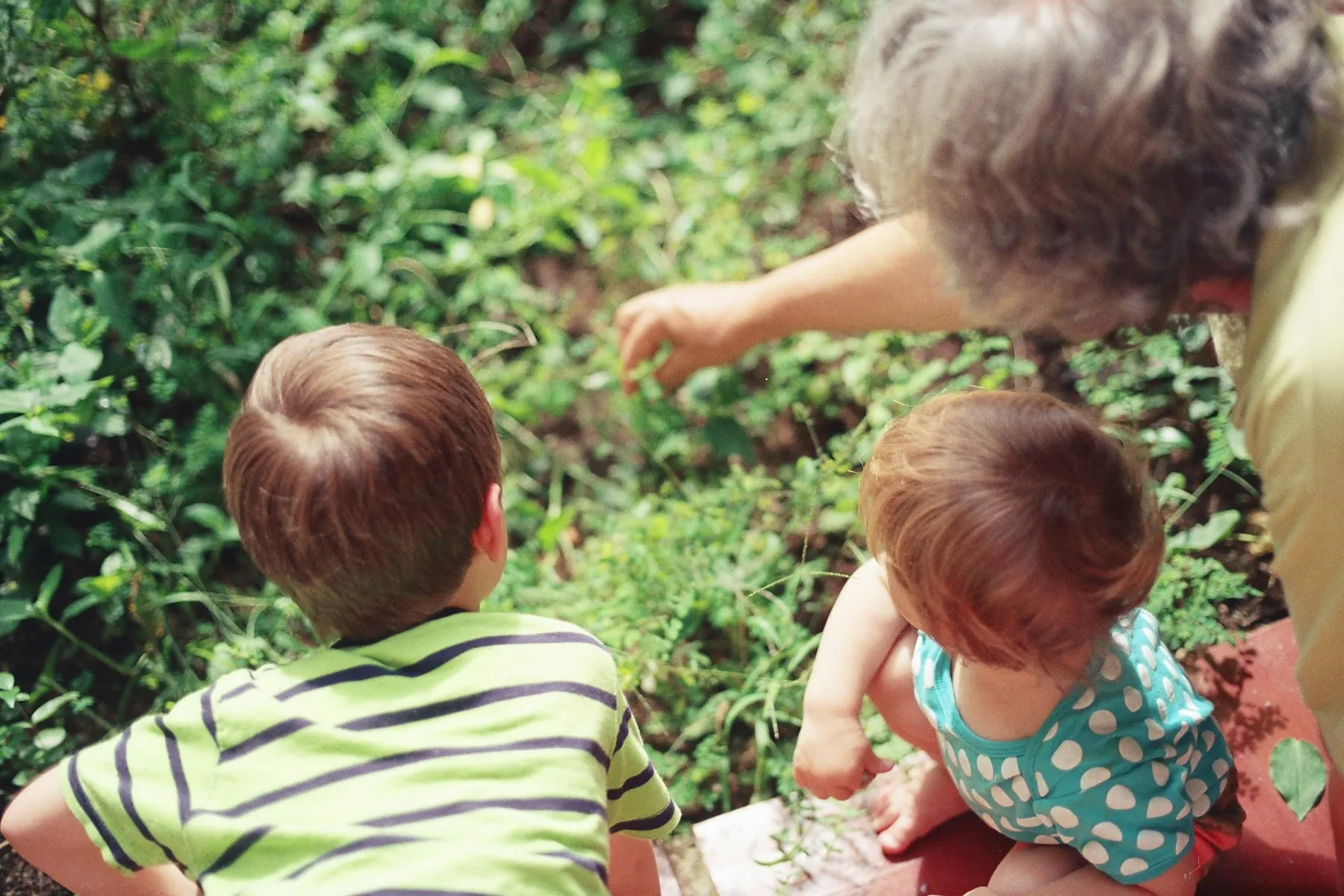
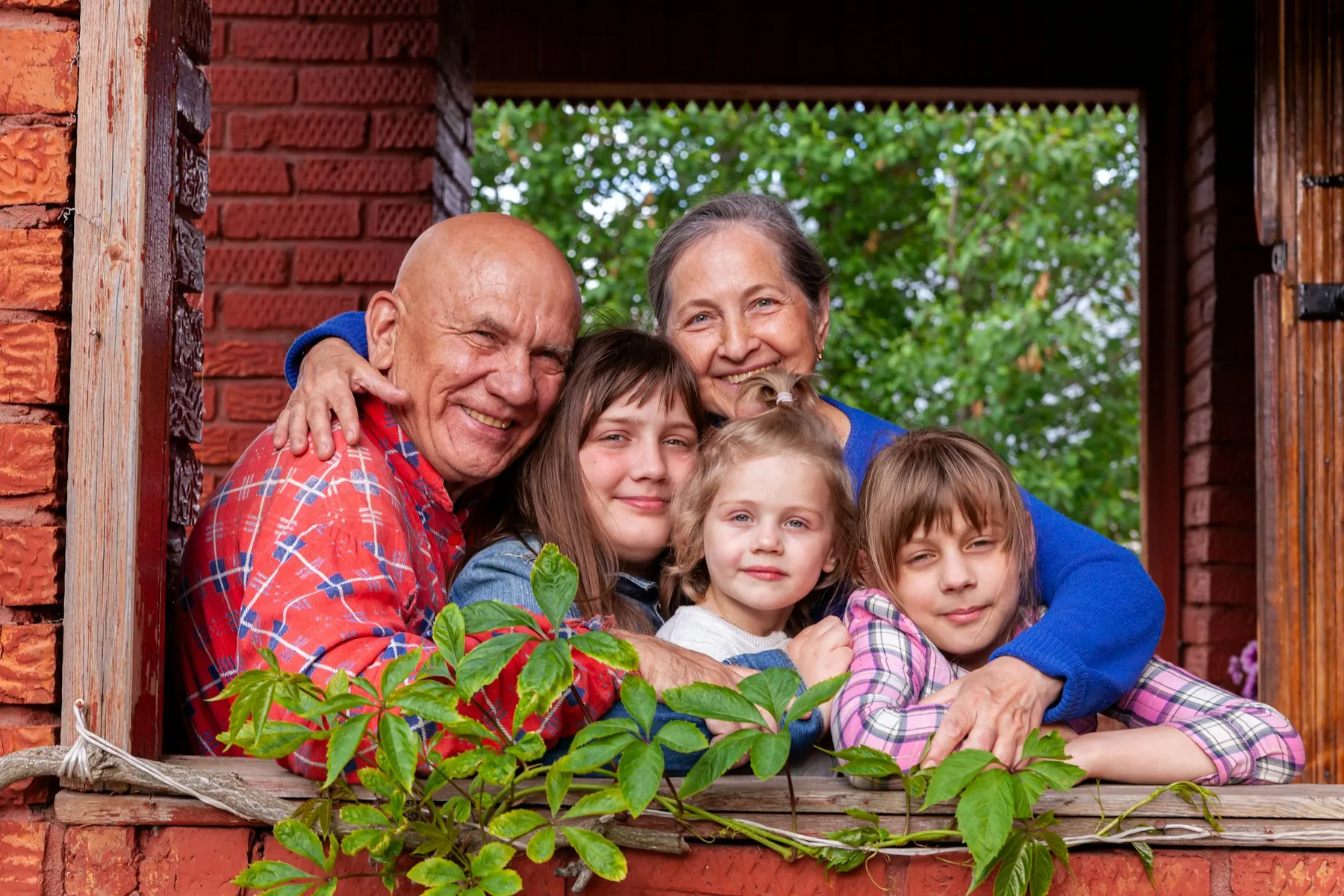
So the stories become the memory. If nobody tells them, the person fades for that child. If they are told often, warmly and truthfully, the child grows up knowing who that person was: what made them laugh, what they cared about, how they loved this family. A child can come to know a grandparent they barely met.
There is a gift for the adults as well. Telling the stories keeps your own grief connected to love. Many people find that speaking of the one they lost, rather than avoiding the name, makes the sorrow easier to carry over time.
Children rarely remember what we meant to do. They remember what happened again and again.
What should we gather, and when?
Gather sooner rather than later, but at a pace you can bear. Memories scatter: photos sit on different phones, relatives move, voices fade. A little gathering early saves much that would otherwise be lost.
- Photos. Collect them from relatives and friends, digital and printed. Label who is in each one and roughly when.
- Recordings. Voicemails, videos, old recordings of the person talking or singing. A voice is precious and easy to lose when a phone is replaced.
- Stories. Ask relatives and friends to share one story each, written down or recorded. Ask for small ones too: a favorite saying, a habit, a meal they always made.
- Objects. A few meaningful things: a watch, a recipe card in their handwriting, a scarf, a tool. Choose with care rather than keeping everything.
- Their words. Letters, cards, notes in the margins of books.
If you are grieving deeply, ask someone close to help with this. A sibling, a friend or a cousin can collect photos and stories while you rest. If the person is still alive and near the end, recording a grandparent's stories can be a gentle way to spend time together now.
How do we share memories with children of different ages?
Match the sharing to the child.
- Toddlers and young children respond to pictures and simple stories. "This is Grandpa. He loved to whistle. Can you whistle?" A small photo book they can hold works well.
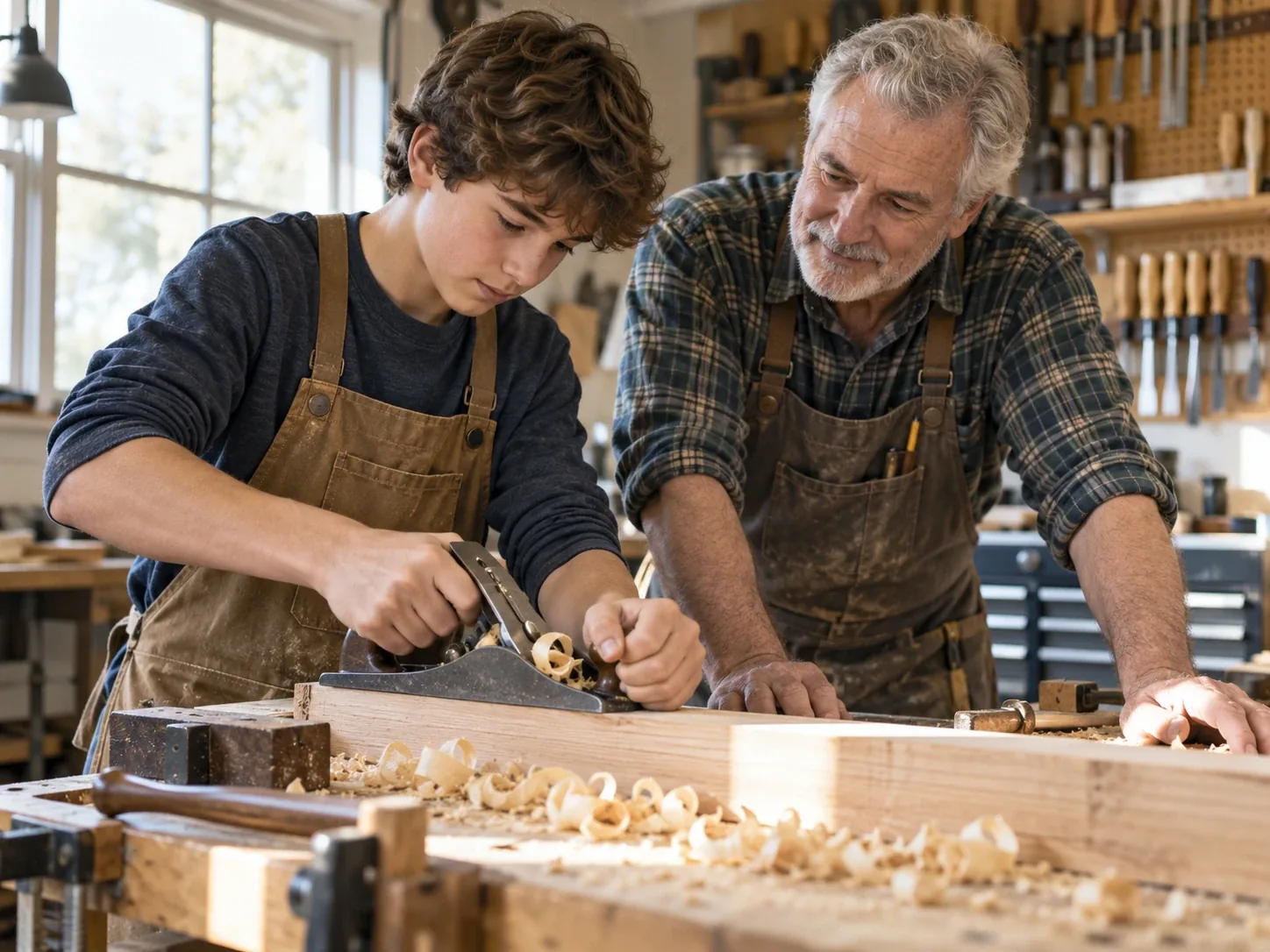
- Children in the middle years like stories with a little adventure or humor. Tell them what the person did at their age. Let them ask questions, and answer honestly.
- Teenagers often want the fuller person, including struggles and complicated parts. Share what is true and fitting. They may want to read letters, listen to recordings or talk with relatives on their own.
Children may also need to hear clearly what happened and that it was not their fault. Use simple, honest words rather than phrases that confuse, and let them return to the subject as often as they like. Grief in children comes in waves, sometimes long after the loss.
How do we keep the person present in ordinary life?
The most powerful sharing is not a special ceremony. It is the small, repeated moments woven into everyday life.
- Say their name. "Your aunt would have loved this," at the park or the dinner table.
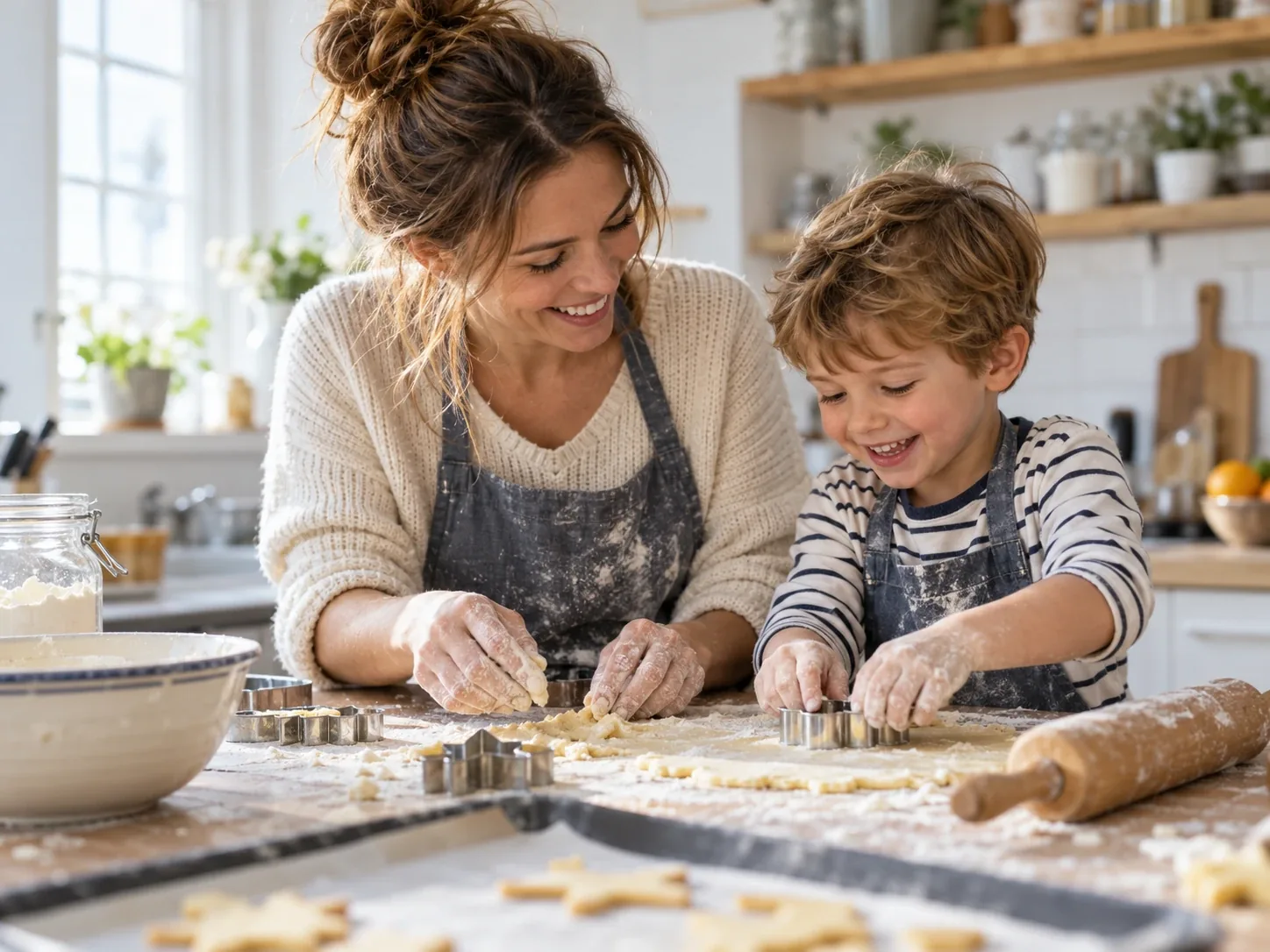
- Cook their recipes. Make the dish they always brought, and tell the story behind it.
- Use their sayings. Families often keep a phrase alive for generations.
- Mark the days. A birthday or anniversary can become a quiet tradition: a favorite meal, a walk, a candle, a few stories.
- Keep a memory place. A shelf with a photo and an object, or a book the family adds to.
Some families also keep a prayer or blessing that names the person on certain days. Over time, these rhythms let a loved one stay part of the family story without grief having to lead every time. Honoring family members who have died covers these traditions more fully, and grief and the holidays offers help for the hardest seasons.
What if talking about them is too painful right now?
Then wait. There is no deadline. Many families need months before stories feel bearable, and some need longer. You can gather quietly in the meantime, or ask someone else to, and begin sharing when you are ready.
It is also fine for children to see you sad. Saying "I miss Grandma, and I'm sad today" teaches them that grief is part of love and can be spoken. What children find harder is silence around a person who has simply vanished from conversation.
If your grief, or a child's, is not easing over time, or if anyone is struggling to cope with daily life, please reach out to a counselor, a doctor or a trusted pastor. Grief is natural, but nobody should carry an overwhelming loss alone.