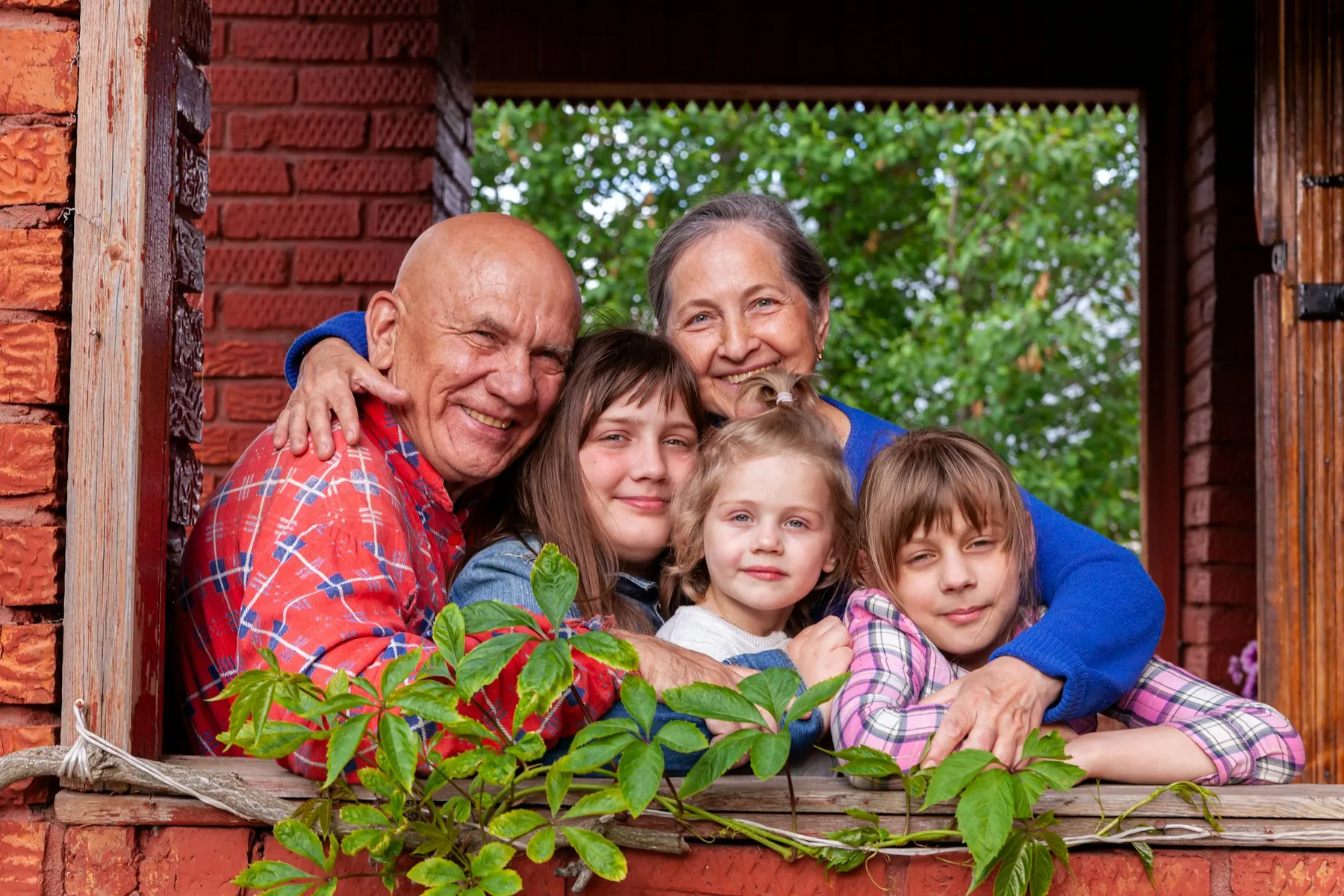
This is for families who came from somewhere else, whether last year or three generations ago, and who feel the old ways slipping as children grow up speaking a different language and loving different foods. It is also for parents who carry an ache about what was lost in the move, and want to give their children more of it than they themselves received. It covers why heritage fades, what keeps it alive, and how to hold it without making children feel they must choose between two worlds.
Why does heritage fade so quickly?
Because the new place is everywhere and the old one is not. Children spend their days at school, with friends and in the wider culture. The language of the playground becomes their first language. The foods of the cafeteria become normal. Within a generation, a grandmother's songs can feel foreign to her own grandchildren.
There is often grief in this, and it is worth naming. A parent may feel a quiet loss each time a child answers in English when spoken to in the family's first language. A grandparent may feel like a stranger at their own table. These feelings are real. They are not a sign that anyone has failed; they are the cost of a move that was often made out of love and courage.
The good news is that heritage does not need to be complete to be alive. A child who knows a handful of songs, a few dishes, some words and the story of how the family arrived has something precious to carry.
What actually keeps roots alive?
Mostly things that repeat. Children rarely remember what we meant to do. They remember what happened again and again. A few threads do most of the work:
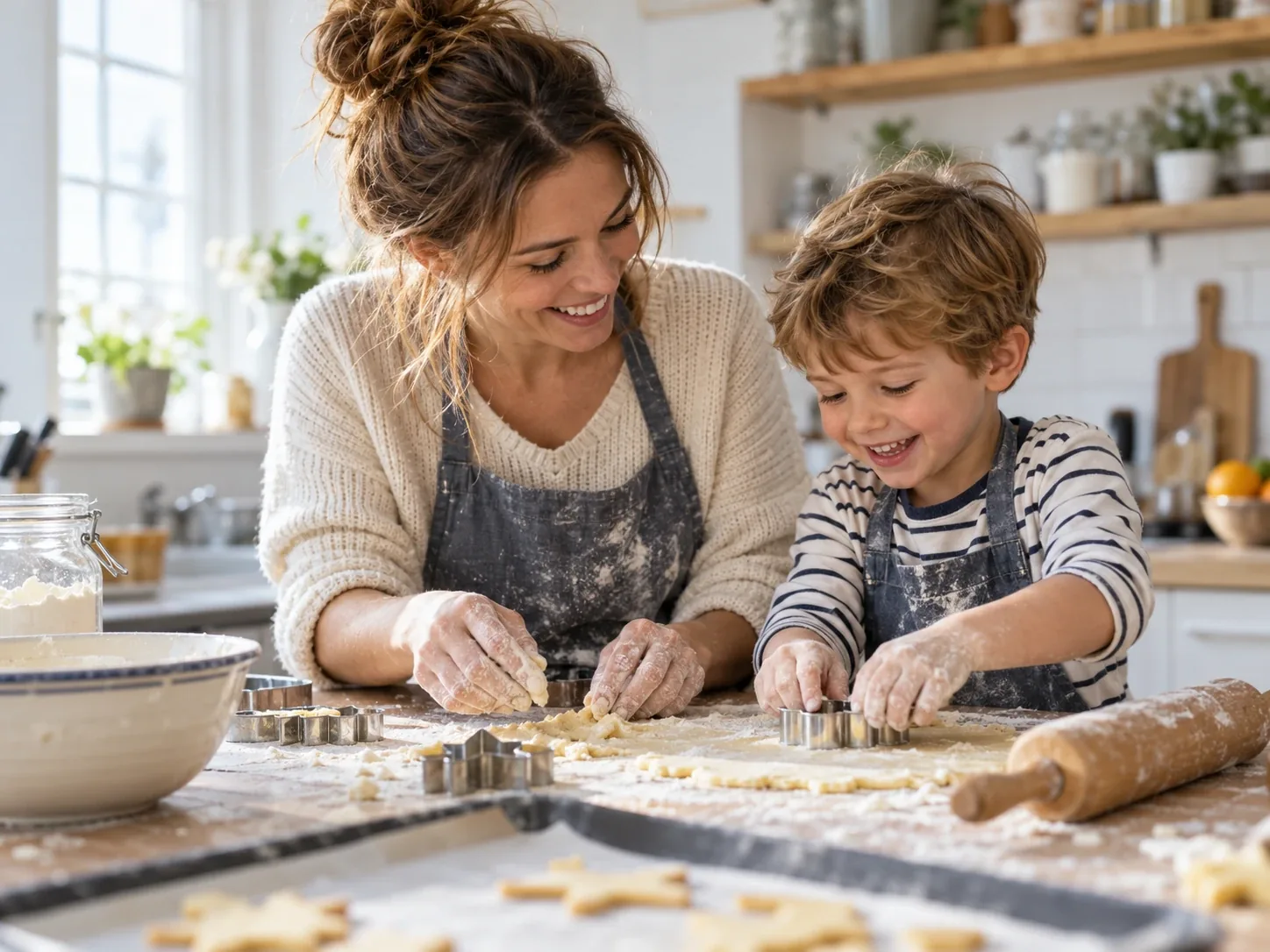
- Food. Cook the old dishes regularly, not only on holidays. Let children help: rolling, stirring, tasting. Food carries memory more strongly than almost anything.
- Language. Even if a child never becomes fluent, use the family's words for everyday things: greetings, blessings, pet names, the words for grandmother and grandfather.
- Songs. Lullabies, folk songs, songs from a faith tradition. Sing them at bedtime, in the car, while working.
- Stories. Why the family left. What the journey was like. What the village, city or farm looked like. Who was brave.
- Celebrations. The days your people kept, kept in your own way, with the dishes and customs that belong to them.
None of these needs to be elaborate. One dish a week, one song at bedtime and one story at dinner, kept over years, is a rich inheritance.
Repetition tells us who we are.
How do we tell the story of where we came from?
Tell it in pieces, often, and at the level your children can carry. Small children love simple stories with a clear shape: "Your great-grandfather got on a big ship with one bag and a loaf of bread." Older children can hear the harder parts: why the family had to leave, what was difficult when they arrived, what was given up.
Some ways to make the story stick:
- Show a map. Find the old town or region together. Trace the route the family traveled.
- Keep an object. A cooking pot, a photograph, a piece of embroidery, a passport. Let children hold it and ask about it.
- Name the people. Children connect to persons more than to places. Tell them about a particular aunt, a stubborn great-uncle, the cousin who stayed behind.
- Let the elders tell it. If grandparents are living, ask them to tell their own stories while they can. The essay on recording grandparents' stories has questions and simple methods.
If part of the story includes war, persecution or hardship, share it gently and honestly, and focus on survival, courage and choice. Children can carry hard truths when they are told with care.
How do we avoid making children feel torn?
Many children of immigrant families feel caught between two worlds: too foreign at school, too much of the new country at home. Heritage can help, or it can add pressure.
A few things help it help:
- Present it as a gift, not a test. "This is yours" lands better than "you should know this."
- Welcome both worlds. Let a child love pizza and grandmother's dumplings, the new holidays and the old ones. A child can belong to both.
- Avoid shaming mistakes. A child who mispronounces a word in the family language should be warmly corrected, not laughed at. Shame drives children away from heritage fast.
- Let them shape it. Teenagers may find their own ways in: cooking, music, learning to dance, researching the family tree. Follow their interest.
How can we make heritage part of our rhythm?
Heritage lives best inside the family's ordinary weeks. Some families choose:
- A weekly heritage meal, with one dish from the old country and a story at the table.
- A monthly call with relatives who still live in the old place, with children joining for part of it.
- A yearly celebration of a day your people kept, with the songs and foods that belong to it.
- A slow project, such as a family cookbook of the old recipes, with notes on who taught them.
The traditions library has ideas families have kept, and many can be shaped to fit your heritage.
What if we know very little about our roots?
Many families lost records, languages or contact along the way. You can still begin. Ask older relatives what they remember, even fragments. Look at old photographs together; the essay on organizing old family photos may help. Learn a dish or a song together as a family, as beginners. A heritage rediscovered together can be as strong as one handed down unbroken.