This is for parents who hear "Can I help?" at the worst moments, when dinner is half made, the floor is wet and the clock is loud, and who answer "not yet" before they have thought about it. It covers why children ask, what to say, how capable they really are, how one helper becomes many, and the harder skill of holding yourself back.
Why do young children keep asking to help?
Because they want to belong. A small child watches the grown-ups around them doing things that clearly matter: cooking, sweeping, carrying, fixing. They do not want to be entertained in the corner while the real life of the family happens somewhere else. They want to be part of it.
That wish is strong and early, and it fades. Somewhere along the way, the wish to join in was met too often with "I'll do it faster myself," and a child learned that helping was not wanted until it was demanded.
The idea that sparked this essay comes from the book Hunt, Gather, Parent by Michaeleen Doucleff, which looks at how children in many cultures are welcomed into the work of the household from the start. The lesson to carry home is small and practical. Do not stage everything first. Set the stage, and invite children in.
What should I say when my child asks to help?
The trap most parents fall into is staging. We plan the task, organize the tools, decide who does what and then hand out the pieces, like a manager with a clipboard. It feels responsible, and it turns a child's eager question into an assignment to be supervised.
Try something simpler. Set the stage by letting the work be visible and the space safe enough to share. Then, when a child asks, answer plainly:
> I'm not sure, but I want your help. As soon as you see somewhere you can help, jump in.
That sentence does three things. It says yes before anything else. It admits you have not worked it all out, which takes the pressure off you. And it hands the child the job of noticing, which is where the learning lives. Children who are told exactly what to do learn to wait for instructions. Children who are asked to look for a need learn to see one.
I’m not sure, but I want your help. As soon as you see somewhere you can help, jump in.
How capable are young children, really?
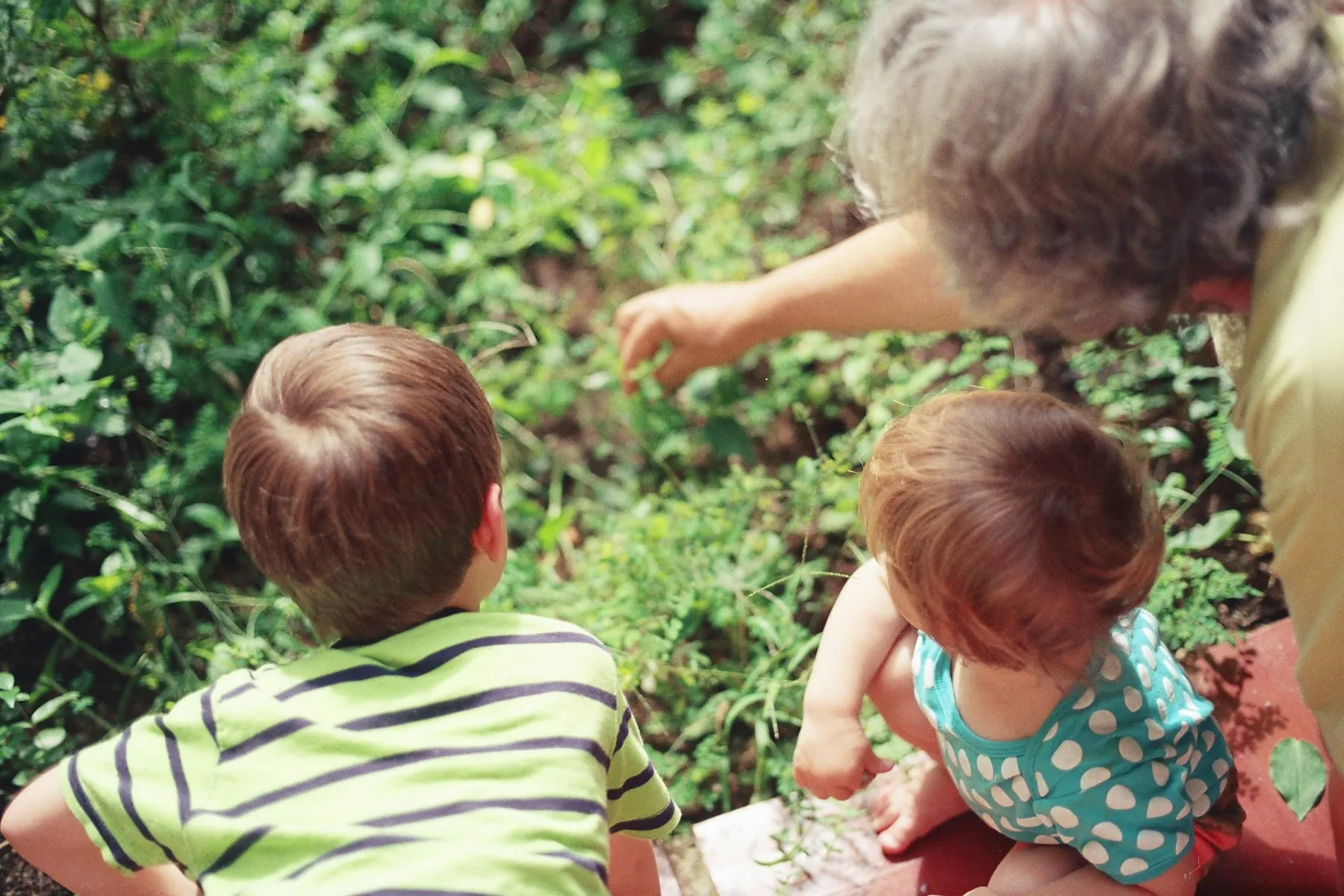
More capable than most of us assume. A child who can barely walk will pull out a rag and wipe up a spilled drink, if you let them. A toddler can carry a napkin to the table, drop clothes in a basket, hand you the next clothespin or fetch a spoon. These are small jobs, but they are real, and a child can tell the difference between real work and busywork made up to keep them occupied.
When you say yes, something often changes in the child. Their eyes get big, and they begin to see all the places where a pair of hands would be welcome.
A fuller picture of what children can handle at each stage is in age-appropriate chores, from toddlers to teenagers, and the same spirit runs through teaching children to cook, where the youngest are given real kitchen jobs from the start.
What if I do not know what the child can do?
A child says, "What can I do?" and the parent freezes, scanning the room for a task that is safe, simple and fast.
You do not have to solve it. The honest answer, "I'm not sure," is a gift, because it asks the child to be a partner and not a recipient. A few things make it easier:
- Name the goal, not the steps. "We want this floor dry" is enough. Let the child find the how.
- Keep the stage safe. Put sharp things, hot things and breakable things out of reach in advance, so that you can say yes without worrying.
- Offer a start if they are stuck. "You could hold the bag open" is a fine nudge. Then step back.
- Say thank you for real things. "That helped me" does more than "good job."
How does one helper become many?
When you invite one child in and let their ideas count, you do not end up with a bigger job. You end up with a bigger crew.
The old story of Tom Sawyer and the fence is about a boy who turns a chore into something other children are eager to join. It works in a family because work that has room for a child's own creativity becomes interesting. One child finds a clever way to carry the load. Another turns the job into a game. A third wants a turn. Soon a parent who thought they could keep one or two children busy discovers they can keep five or six going, and perhaps a few neighbor children besides, who see the fun and want in.
The difference is in how the children feel. Work that is dictated step by step is resented, and children do it grudgingly and watch the clock. Work that is invited is enjoyed. They are not following orders; they are building something, and they want to see how it turns out.
This is why handing out jobs from a chart can work against you. It is not that charts are wrong. A weekly list has its place, as teaching children responsibility without nagging explains. But a chart alone can make the work feel like something done to a child. Invitation makes it something done with them. If you are already in a standoff, when your kids refuse to do chores looks at how working alongside a child can turn it around.
When do I have to hold back?
Often, and it is the hardest part. Saying yes is easy. Staying out of the way is not.
When a child is helping, you will see a better way to do it, a faster way, a tidier way. You will want to reach in and fix the corner they missed, redo the fold, or take the pitcher back before it spills. Each time you do, the child hears, "Your work is not good enough." A few of those and the helper goes quiet.
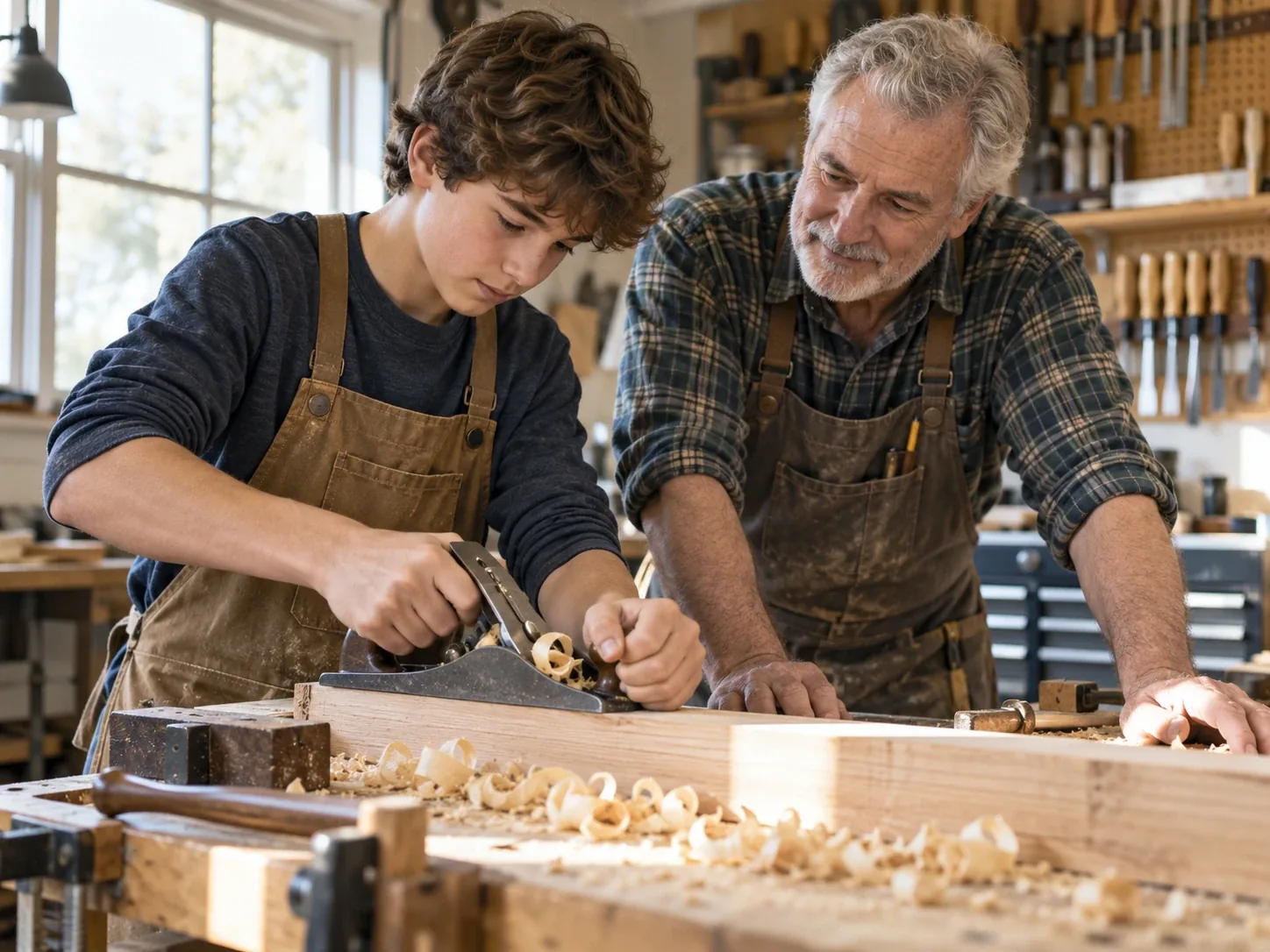
So practice holding back. Bite your tongue. Let the towels be folded wrong and the table be set crooked. Let them finish. Later, when the moment is calm, you can show a different way, as something to try and never as a correction of what they did.
There are limits, of course. Hold back about style, not about safety. A child near a hot stove or a sharp blade needs you close, and that closeness is part of the yes. But a great deal of what we call "doing it right" is only doing it our way, and children can tell.